Mengapa Hanami Sangat Penting dalam Budaya Jepang?

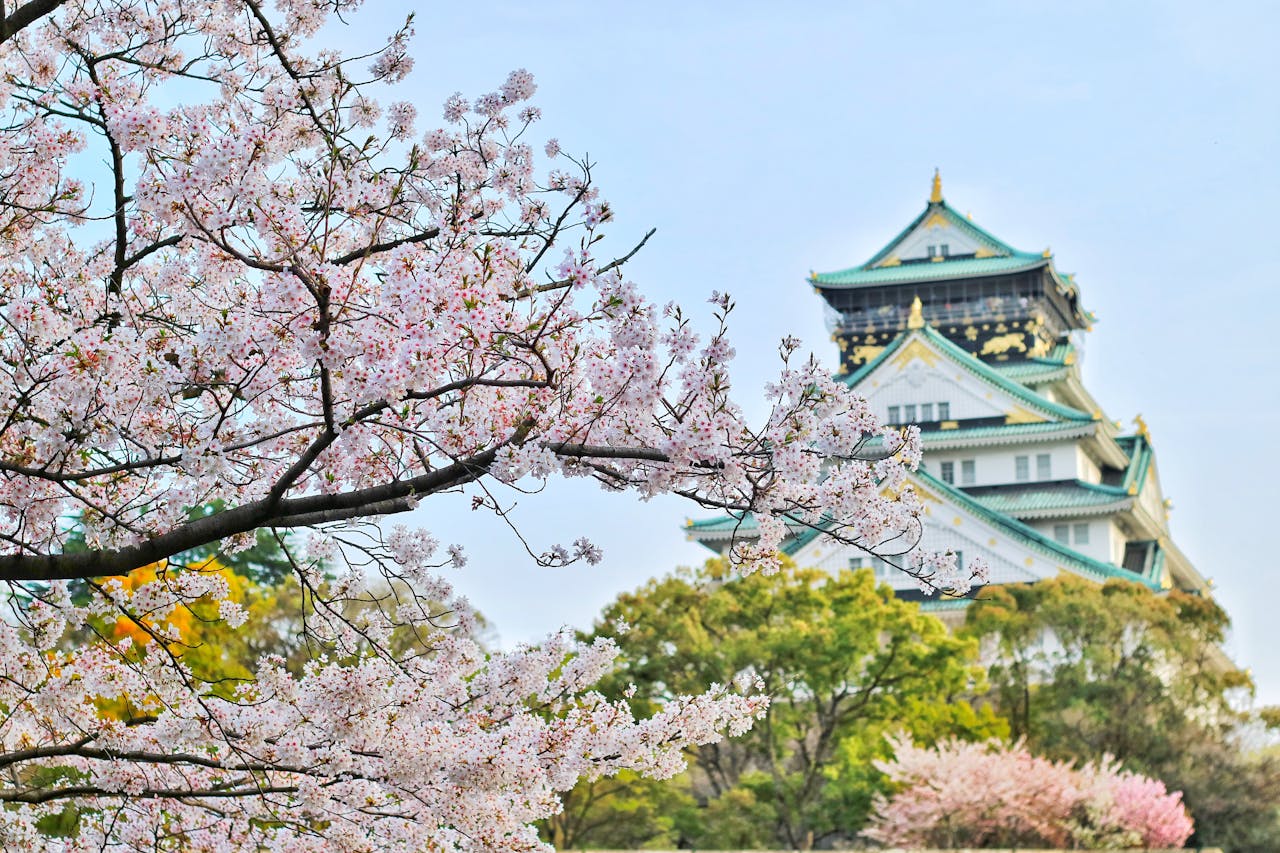
pasecrets – Hanami, yang secara harfiah berarti “melihat bunga,” adalah tradisi Jepang yang telah berlangsung selama berabad-abad. Hanami terutama merujuk pada kebiasaan menikmati keindahan bunga sakura saat musim semi. Setiap tahun, ketika bunga sakura mekar, masyarakat Jepang berkumpul di taman-taman dan area terbuka untuk menikmati keindahan bunga tersebut. Namun, Hanami lebih dari sekadar menikmati bunga; ia mencerminkan berbagai aspek budaya Jepang yang sangat kaya.

1. Simbol Kehidupan dan Kerapuhan

Bunga sakura tidak hanya indah tetapi juga memiliki makna simbolis yang mendalam dalam budaya Jepang. Mekarnya bunga sakura yang indah namun singkat menggambarkan betapa fana dan singkatnya kehidupan manusia. Konsep ini dikenal sebagai mono no aware, yaitu penghargaan terhadap keindahan yang sementara. Hanami menjadi momen reflektif bagi banyak orang Jepang, mengingatkan mereka untuk menghargai setiap momen yang singkat namun berharga dalam hidup.

mengapa-hanami-sangat-penting-dalam-budaya-jepang

2. Tradisi dan Kebersamaan

Hanami adalah waktu untuk berkumpul bersama keluarga, teman, dan rekan kerja. Di taman-taman dan ruang terbuka, orang-orang membawa tikar, makanan, dan minuman untuk duduk di bawah pohon sakura yang mekar. Mereka merayakan keindahan musim semi dengan berbagi makanan dan cerita. Ini adalah momen untuk mempererat hubungan dan menciptakan kenangan indah. Kebersamaan dalam Hanami menegaskan pentingnya hubungan sosial dalam budaya Jepang.

mengapa-hanami-sangat-penting-dalam-budaya-jepang

3. Bagian Penting dalam Kalender Musiman

Di Jepang, musim-musim sangat dipengaruhi oleh perubahan alam, dan sakura menjadi penanda utama datangnya musim semi. Kalender https://www.digiverseinstitute.com/ musiman di Jepang sangat erat kaitannya dengan fenomena alam, dan Hanami menjadi bagian integral dari ritme tahunan masyarakat Jepang. Bunga sakura sering disebut sebagai “pembawa pesan musim semi,” mengingatkan masyarakat bahwa musim baru telah dimulai.

mengapa-hanami-sangat-penting-dalam-budaya-jepang

4. Warisan Budaya yang Menyatu dengan Sejarah

Tradisi Hanami dipercaya telah dimulai pada periode Nara (710-794) dan menjadi lebih populer pada periode Heian (794-1185). Awalnya, tradisi ini diadopsi dari kebiasaan Tiongkok yang menikmati bunga plum, tetapi seiring waktu, Jepang mengembangkan identitasnya sendiri dengan fokus pada bunga sakura. Para bangsawan pada masa itu mengadakan pesta Hanami di bawah pohon sakura, menggabungkan puisi dan keindahan alam sebagai cara merayakan musim.

mengapa-hanami-sangat-penting-dalam-budaya-jepang

5. Pariwisata dan Dampaknya Terhadap Ekonomi

Hanami juga memiliki dampak yang signifikan pada industri pariwisata Jepang. Setiap tahun, ribuan wisatawan dari seluruh dunia datang ke Jepang untuk menyaksikan mekarnya bunga sakura. Kota-kota seperti Tokyo, Kyoto, dan Osaka menjadi tujuan utama bagi para wisatawan. Festival-festival sakura di berbagai kota pun membantu meningkatkan sektor ekonomi lokal, baik melalui sektor pariwisata, kuliner, maupun penginapan.

mengapa-hanami-sangat-penting-dalam-budaya-jepang

6. Pengaruh Hanami dalam Seni dan Sastra

Hanami memiliki pengaruh besar dalam seni, sastra, dan budaya populer Jepang. Mekarnya bunga sakura sering menjadi subjek lukisan, fotografi, dan karya sastra. Banyak penyair dan penulis Jepang menggambarkan keindahan dan kerapuhan sakura sebagai metafora untuk berbagai aspek kehidupan. Misalnya, penyair terkenal Matsuo Basho sering menulis haiku tentang sakura yang penuh makna.

mengapa-hanami-sangat-penting-dalam-budaya-jepang

Hanami bukan sekadar perayaan bunga sakura, tetapi sebuah refleksi dari pandangan hidup dan nilai-nilai budaya Jepang. Dengan makna filosofis yang mendalam, kebersamaan sosial, dan sejarah panjang, Hanami mencerminkan bagaimana masyarakat Jepang menghargai keindahan alam dan kerapuhan hidup. Perayaan ini adalah bagian dari warisan budaya yang kaya dan tetap relevan hingga hari ini. Melalui Hanami, kita bisa melihat bagaimana bunga sakura menjadi simbol penting yang menyatukan masyarakat Jepang, menghubungkan mereka dengan alam, sejarah, dan satu sama lain.


Kamboja Perkuat Kerja Sama Ekonomi dengan Negara-Negara ASEAN

pasecrets – Pemerintah Kamboja terus memperkuat kerja sama ekonomi dengan negara-negara ASEAN (Association of Southeast Asian Nations) dalam upaya meningkatkan pertumbuhan ekonomi dan memperdalam integrasi kawasan. Langkah ini sejalan dengan komitmen ASEAN untuk menciptakan kawasan ekonomi yang lebih terintegrasi dan kompetitif di kancah global.

Perdana Menteri Kamboja, Hun Manet, menegaskan pentingnya kerja sama ekonomi dengan negara-negara ASEAN sebagai upaya untuk mendorong stabilitas dan pertumbuhan ekonomi yang inklusif. “Kami menyadari pentingnya memperkuat kolaborasi dengan negara-negara tetangga di ASEAN untuk menghadapi tantangan global, seperti perubahan iklim, ketidakpastian ekonomi global, serta menjaga stabilitas rantai pasokan,” ujar Hun Manet dalam pertemuan tingkat tinggi ASEAN yang berlangsung di Jakarta pada akhir September lalu.

Fokus Kerja Sama di Berbagai Sektor

kamboja-perkuat-kerja-sama-ekonomi-dengan-negara-negara-asean

Kamboja berkomitmen untuk memperluas kerja sama di berbagai sektor utama seperti perdagangan, investasi, pariwisata, dan pengembangan infrastruktur. Dalam beberapa tahun terakhir, negara ini telah mengalami pertumbuhan ekonomi yang signifikan, dengan sektor manufaktur, pariwisata, dan pertanian sebagai pendorong utama.

Pada pertemuan ASEAN Business Advisory Council (ASEAN-BAC) yang diadakan di Phnom Penh, Kamboja mengusulkan sejumlah inisiatif untuk meningkatkan konektivitas ekonomi dan perdagangan di kawasan ASEAN. Salah satu agenda penting yang didorong oleh Kamboja adalah upaya untuk menyederhanakan regulasi perdagangan dan memperkuat akses pasar antarnegara ASEAN melalui penurunan tarif dan penghapusan hambatan non-tarif.

Menteri Perdagangan Kamboja, Pan Sorasak, menyatakan bahwa peningkatan integrasi ekonomi di ASEAN akan membawa manfaat besar bagi Kamboja dan negara-negara anggota lainnya. “Dengan kolaborasi yang kuat, kami berharap dapat menciptakan ekosistem ekonomi yang lebih inklusif, di mana setiap negara anggota dapat berperan dalam rantai nilai global,” jelasnya.

Peningkatan Perdagangan dan Investasi

kamboja-perkuat-kerja-sama-ekonomi-dengan-negara-negara-asean

Dalam beberapa tahun terakhir, perdagangan antara Kamboja dan negara-negara ASEAN terus menunjukkan tren positif. Menurut data dari Kementerian Perdagangan Kamboja, pada tahun 2023, nilai perdagangan Kamboja dengan negara-negara ASEAN mencapai lebih dari USD 15 miliar, meningkat sekitar 12% dibandingkan tahun sebelumnya. Sektor-sektor yang menjadi andalan Kamboja dalam perdagangan dengan ASEAN meliputi tekstil, produk pertanian, serta komponen elektronik.

Selain perdagangan, Kamboja juga aktif menarik investasi dari negara-negara ASEAN. Salah satu contoh kerja sama investasi terbaru adalah kemitraan antara Kamboja dan Thailand dalam pembangunan kawasan industri terpadu di perbatasan kedua negara. Proyek ini diharapkan dapat meningkatkan daya saing regional dan menciptakan ribuan lapangan kerja baru di kedua negara.

Vietnam juga menjadi mitra dagang penting bagi Kamboja, terutama dalam sektor pertanian dan energi. Kamboja berharap kerja sama ini akan semakin diperkuat melalui berbagai perjanjian bilateral yang difokuskan pada sektor energi terbarukan dan ketahanan pangan.

Tantangan dan Prospek Masa Depan

kamboja-perkuat-kerja-sama-ekonomi-dengan-negara-negara-asean

Meskipun slot kamboja telah mencatatkan kemajuan signifikan dalam memperkuat kerja sama ekonomi di ASEAN, masih ada tantangan yang harus dihadapi, seperti perbedaan tingkat perkembangan ekonomi antarnegara anggota dan kurangnya infrastruktur yang memadai di beberapa wilayah. Namun, Kamboja optimis bahwa dengan adanya dukungan penuh dari seluruh negara anggota ASEAN, tantangan-tantangan ini dapat diatasi melalui kerja sama yang lebih erat.

Hun Manet juga menekankan pentingnya peran ASEAN dalam mendorong pemulihan ekonomi pascapandemi COVID-19. “Kami harus terus berkolaborasi untuk memastikan bahwa pemulihan ekonomi terjadi secara merata di seluruh kawasan, dengan memperkuat kerja sama di sektor-sektor strategis seperti teknologi, infrastruktur digital, dan pembangunan berkelanjutan,” tambahnya.

Dengan dukungan ASEAN, Kamboja berharap dapat terus menjadi bagian penting dari rantai pasokan global dan memainkan peran yang lebih besar dalam pertumbuhan ekonomi regional. Kerja sama yang kuat antara negara-negara ASEAN diharapkan akan menciptakan stabilitas ekonomi yang berkelanjutan dan membawa kesejahteraan bagi seluruh negara anggotanya.

Maarten Paes: Kiprah dan Prestasi Kiper Muda Belanda yang Menanjak

pasecrets.com – Dalam dunia sepak bola yang terus berkembang, kemunculan pemain muda dengan potensi besar sering kali menjadi sorotan. Salah satu nama yang kini tengah mencuri perhatian adalah Maarten Paes, seorang kiper muda asal Belanda. Dengan penampilan cemerlang dan potensi yang menjanjikan, Paes telah menunjukkan bahwa ia adalah salah satu kiper masa depan yang patut diperhitungkan. Artikel ini akan mengulas kiprah dan prestasi Maarten Paes yang sedang menanjak.

Awal Karir dan Perkembangan

maarten-paes-kiprah-dan-prestasi-kiper-muda-belanda-yang-menanjak

Maarten Paes lahir pada 28 Juni 1998 di Amsterdam, Belanda. Ia memulai karir sepak bolanya di akademi FC Utrecht, yang dikenal sebagai salah satu akademi sepak bola terkemuka di Belanda. Paes menunjukkan bakatnya sejak dini, dan pada usia muda, ia sudah menjadi salah satu kiper muda yang menonjol di akademi tersebut.

Setelah beberapa tahun tampil gemilang di level junior, Paes membuat debut profesionalnya bersama FC Utrecht pada musim 2016/2017. Meskipun masih berusia muda, Paes menunjukkan kematangan dan keterampilan yang mengesankan di bawah mistar gawang. Kepiawaiannya dalam mengantisipasi tendangan lawan dan kemampuan untuk membuat penyelamatan krusial membuatnya cepat menjadi pilihan utama tim.

Prestasi di Klub

maarten-paes-kiprah-dan-prestasi-kiper-muda-belanda-yang-menanjak

Dalam beberapa musim terakhir, Maarten Paes telah membuktikan kualitasnya dengan tampil solid bersama FC Utrecht. Ia menjadi kiper andalan tim dan memainkan peran kunci dalam menjaga gawangnya dari kebobolan. Penampilan konsistennya telah menarik perhatian banyak pengamat sepak bola dan klub-klub besar di Eropa.

Selain itu, Paes juga mendapatkan kesempatan untuk bermain di berbagai kompetisi, termasuk Eredivisie dan Piala Belanda. Dengan performa impresifnya, Paes berhasil membawa FC Utrecht mencapai hasil-hasil positif dan mengesankan di berbagai turnamen.

Kiprah di Tim Nasional

maarten-paes-kiprah-dan-prestasi-kiper-muda-belanda-yang-menanjak

Maarten Paes juga telah mendapatkan panggilan untuk memperkuat tim nasional Belanda. Meskipun usianya masih muda, ia telah menunjukkan kualitasnya di level internasional. Paes memiliki kesempatan untuk tampil di pertandingan-pertandingan persahabatan serta kompetisi resmi, dan ia terus membangun reputasi sebagai salah satu kiper muda yang menjanjikan di Belanda.

Gaya Permainan dan Kelebihan

maarten-paes-kiprah-dan-prestasi-kiper-muda-belanda-yang-menanjak

Salah satu kekuatan utama Maarten Paes adalah kemampuannya dalam membuat penyelamatan-penyelamatan krusial. Ia memiliki refleks yang tajam dan kemampuan untuk membaca permainan dengan baik. Selain itu, Paes juga dikenal karena kepercayaan dirinya di bawah mistar gawang dan kemampuannya dalam mengorganisir pertahanan.

Harapan Masa Depan

maarten-paes-kiprah-dan-prestasi-kiper-muda-belanda-yang-menanjak

Dengan usianya yang masih muda, Maarten Paes memiliki potensi besar untuk terus berkembang dan mencapai puncak karirnya. Banyak pengamat sepak bola yang percaya bahwa ia akan menjadi salah satu kiper top dunia di masa depan. Harapan besar juga diletakkan padanya untuk terus menunjukkan performa terbaiknya di level klub dan tim nasional.

Maarten Paes adalah contoh nyata dari bakat muda yang menjanjikan dalam dunia sepak bola. Dengan prestasi yang telah dicapainya dan potensi yang masih banyak, Paes adalah salah satu pemain yang patut diperhatikan di masa depan. Kiprah dan pencapaiannya hingga saat ini menunjukkan bahwa ia adalah kiper muda Belanda yang sedang menanjak dan siap menghadapi tantangan besar di dunia sepak bola.

The Glimpse into Romania’s Ancient History: The Iron Gates

pasecrets.com – Nestled along the majestic Danube River, the Iron Gates region stands as a testament to Romania’s rich and complex history. This area, known for its breathtaking natural beauty, is also a treasure trove of archaeological sites that offer a glimpse into the lives of ancient civilizations that once thrived here. From the Dacians to the Romans, the Iron Gates have been a strategic and cultural crossroads for millennia.

The Dacian Fortresses: A Symbol of Ancient Resilience

One of the most striking features of the Iron Gates area is the series of Dacian fortresses that dot the landscape. These ancient fortifications, built by the Dacians between the 1st century BC and the 1st century AD, are a testament to the engineering skills and military prowess of this indigenous people. The most famous of these fortresses, such as Sarmizegetusa Regia, were not only centers of power but also cultural and religious hubs.

The Dacians, known for their fierce independence, used these fortresses to defend their territory against invaders, most notably the Roman Empire. The remains of these structures, with their strategic locations and sophisticated defensive systems, offer a fascinating insight into the life of a warrior society that once dominated the region.

The Roman Legacy: Integration and Infrastructure

After the conquest of Dacia by the Roman Emperor Trajan in AD 106, the Iron Gates region became an integral part of the Roman Empire. The Romans, known for their engineering skills, left an indelible mark on the area, transforming it into a key administrative and economic center.

The construction of roads, bridges, and fortifications facilitated trade and military movements, while the establishment of colonies brought Roman culture and lifestyle to the region. The ruins of Roman towns, such as Drobeta, and the remnants of Trajan’s Bridge, one of the most impressive engineering feats of the ancient world, are vivid reminders of the Roman legacy in the Iron Gates.

The Iron Gates and the Danube: A Crossroads of Civilizations

The Danube River, which flows through the Iron Gates, has been a vital artery for trade and communication since ancient times. The region’s strategic location at the crossroads of Europe has made it a melting pot of cultures and civilizations.

The river has not only been a pathway for conquest and migration but also a source of life and prosperity. The fertile lands along its banks have supported agriculture and fishing, while its waters have been used for transportation and trade. The Iron Gates, with their dramatic gorges and serene landscapes, have been a backdrop to the unfolding drama of human history along the Danube.

Exploring the Iron Gates Today

Today, the Iron Gates region is a popular destination for visitors who are eager to explore its rich history and natural beauty. Archaeological sites, museums, and national parks offer a variety of experiences for travelers. The Iron Gates National Park, with its stunning vistas and diverse wildlife, is a must-visit for nature lovers.

For history enthusiasts, guided tours of the Dacian fortresses and Roman ruins provide an opportunity to step back in time and imagine the lives of the people who once called this place home. The Iron Gates, with their enduring legacy, continue to captivate and inspire, serving as a bridge between the ancient past and the present.

In conclusion, the Iron Gates region of Romania is much more than a natural wonder; it is a living museum that tells the story of ancient civilizations. From the Dacian fortresses to the Roman ruins, the area offers a glimpse into a bygone era, inviting us to reflect on the enduring human spirit and the indelible marks we leave on the world.

South Sudan: Civil War and Humanitarian Concerns

pasecrets.com – South Sudan, the world’s youngest nation, gained independence from Sudan in 2011 after decades of civil war. However, the dream of peace and prosperity was short-lived as the country plunged into a brutal civil war in December 2013. The conflict, primarily fueled by ethnic tensions and political rivalry, has led to one of the most severe humanitarian crises of the 21st century.

The Onset of Civil War

The civil war in South Sudan erupted when President Salva Kiir, an ethnic Dinka, accused his former vice president, Riek Machar, an ethnic Nuer, of attempting a coup. This event triggered a violent conflict that quickly escalated, drawing in various ethnic militias and armed groups. The war has since seen numerous ceasefires and peace agreements, all of which have failed to bring lasting peace to the war-torn country.

Humanitarian Impact

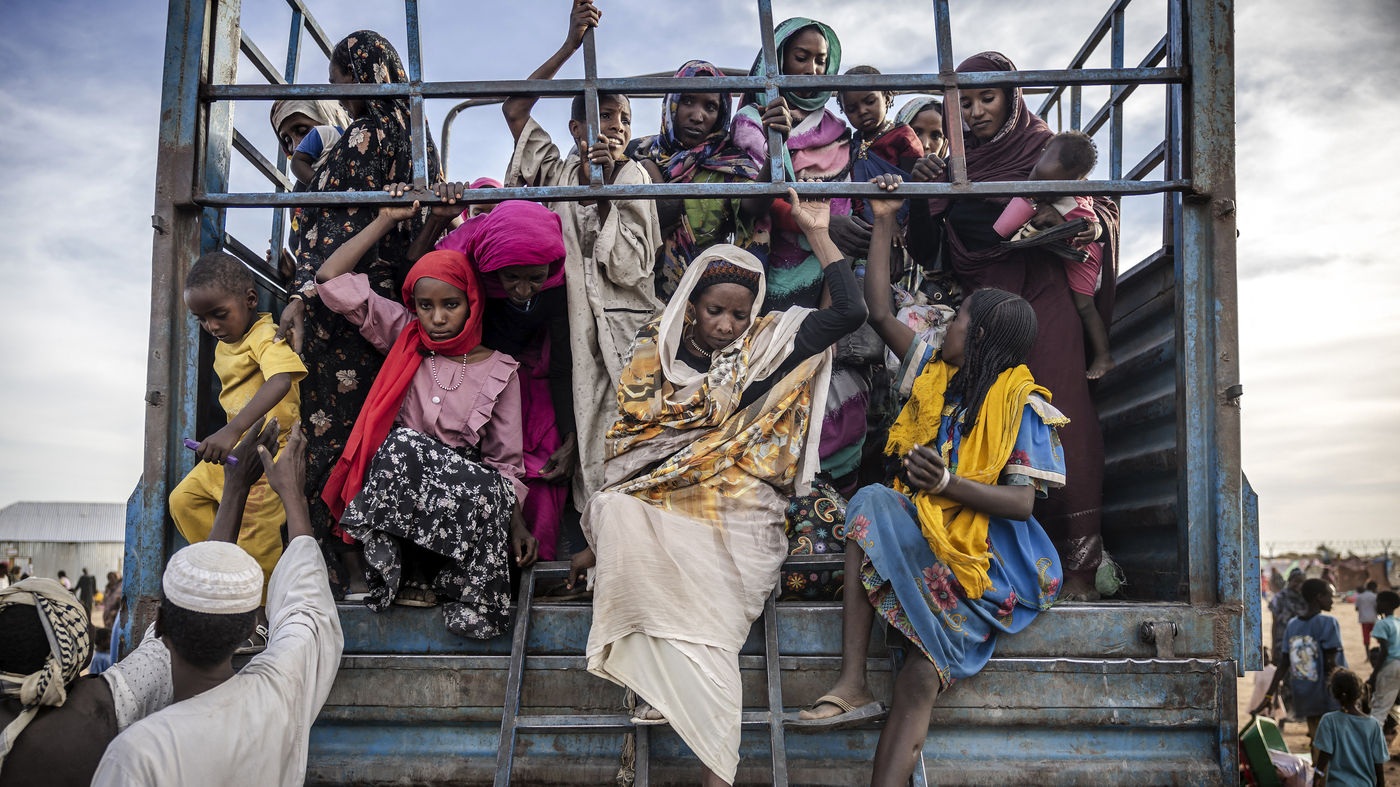
The civil war in South Sudan has had a devastating impact on the civilian population. Millions have been displaced from their homes, with many seeking refuge in neighboring countries or crowded UN protection sites within South Sudan. The conflict has also led to widespread hunger, disease, and a complete breakdown of social services.

Displacement and Refugees

As of the latest reports, millions of South Sudanese have been internally displaced, while hundreds of thousands have sought asylum in neighboring countries such as Uganda, Sudan, and Ethiopia. The displacement has shattered communities and livelihoods, leaving families in dire need of humanitarian assistance.

Food Insecurity

South Sudan is frequently on the brink of famine. The combination of conflict, economic collapse, and climate change has led to severe food shortages. Many families are forced to survive on less than one meal a day, and malnutrition rates among children are alarmingly high.

Health and Education

The health system in South Sudan has been decimated by the civil war. Hospitals and clinics have been looted or destroyed, and many health workers have fled the country. This has left the population vulnerable to diseases such as malaria, measles, and cholera. The education system has also suffered, with schools closed or used as shelters, depriving children of their right to education.

International Response

The international community has responded to the crisis in South Sudan with various humanitarian interventions. The United Nations Mission in South Sudan (UNMISS) has been mandated to protect civilians, although its effectiveness has been hampered by the scale of the violence and political constraints. Numerous aid agencies are also working on the ground to provide food, healthcare, and education to those affected by the conflict.

The Road to Peace

Despite the challenges, there have been efforts to end the conflict and rebuild South Sudan. Peace agreements have been signed, and a transitional government of national unity has been established. However, the path to peace is fraught with difficulties, and lasting stability will require genuine reconciliation, security sector reform, and economic recovery.

Conclusion

The civil war in South Sudan is a stark reminder of the human cost of conflict. The international community must continue to support peace efforts and provide humanitarian assistance to alleviate the suffering of the South Sudanese people. Only through sustained commitment and cooperation can South Sudan hope to overcome its current crisis and build a peaceful and prosperous future.

Rhythms of Life in the Moroccan Atlas Mountains

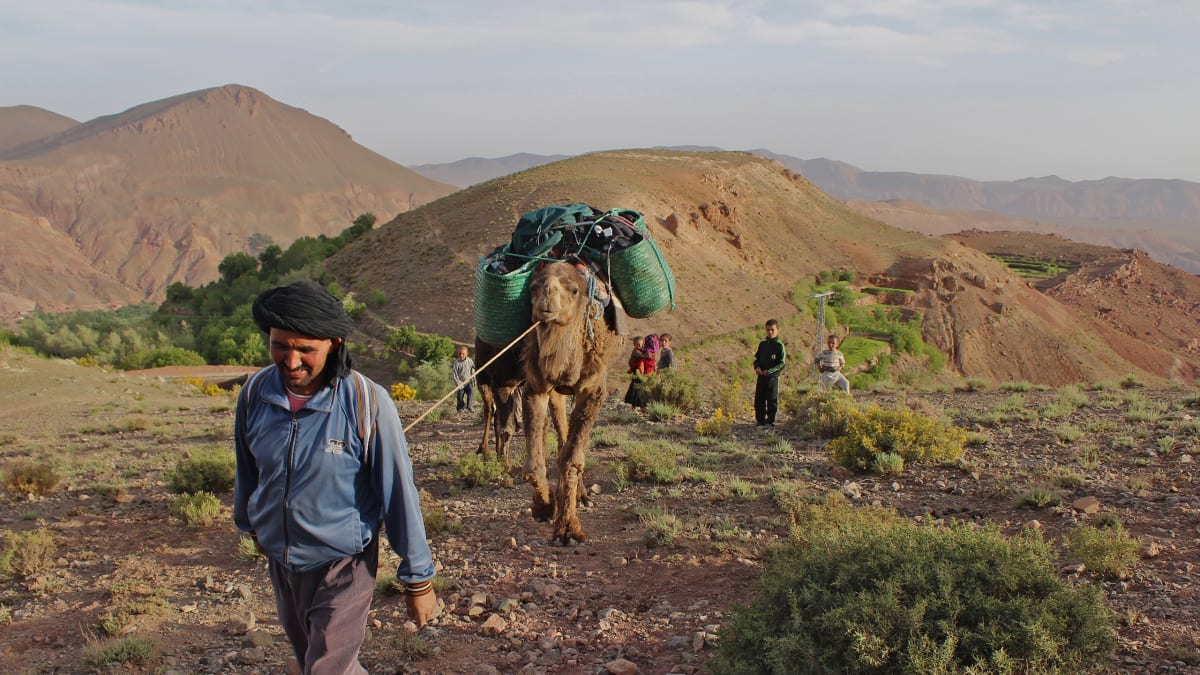
pasecrets.com – Nestled within the rugged terrains of the Moroccan Atlas Mountains, a unique rhythm pulses through the veins of the Berber communities. This rhythm is not just a mere sound; it is a living, breathing entity that encapsulates the essence of Berber life. The Berber beat is a fusion of traditional music, dance, and oral storytelling that has been passed down through generations, reflecting the resilience, joy, and struggles of these indigenous people.

The Heart of Berber Music

At the heart of Berber music is the Tasnit, a traditional flute made from argan wood, and the Bendir, a goatskin frame drum. These instruments are not just tools for making music; they are symbols of Berber identity and culture. The haunting melodies of the Tasnit and the hypnotic beats of the Bendir create a sound that is both ancient and contemporary, echoing through the valleys and peaks of the Atlas.

The Role of Music in Berber Society

Music plays a pivotal role in Berber society, accompanying every aspect of life from birth to death. It is an integral part of celebrations, rituals, and storytelling. Berber music is a form of communication, a way to express emotions, share stories, and pass down history. It is also a means of resistance, a way to maintain cultural identity in the face of external influences.

The Berber Beat in Modern Times

While the Berber beat is deeply rooted in tradition, it is also evolving with the times. Modern Berber musicians are blending traditional sounds with contemporary musical styles, creating a unique fusion that resonates with both the old and the young. This fusion music is gaining popularity not just within Morocco but across the globe, bringing the rhythms of the Atlas Mountains to international stages.

The Importance of Preserving the Berber Beat

The Berber beat is more than just music; it is a cultural heritage that needs to be preserved. Efforts are being made to document and study Berber music, to ensure that it is not lost to the sands of time. Festivals and workshops are being organized to celebrate and promote Berber music, providing a platform for musicians to share their art with the world.

Conclusion

The Berber beat is a testament to the enduring spirit of the Berber people. It is a reflection of their history, their struggles, and their joy. As we listen to the rhythms of the Atlas Mountains, we are reminded of the power of music to connect us, to tell our stories, and to keep our traditions alive. The Berber beat is not just a sound; it is a way of life, a rhythm that beats in the heart of the Moroccan Atlas Mountains.

Brazil: Beaches – A Journey Through a Cultural Tapestry

When one thinks of Brazil, the mind often conjures up images of sun-kissed beaches, the vibrant samba rhythms, and the iconic Christ the Redeemer statue overlooking Rio de Janeiro. While these elements are undoubtedly integral to the country’s identity, Brazil is a vast and diverse nation that offers much more beyond its postcard-perfect coastlines. From the heart of the Amazon rainforest to the historic towns of the interior, Brazil is a country of contrasts, rich in culture, history, and natural beauty.

The Amazon Rainforest: A Biodiversity Hotspot

Venturing beyond the coastal regions, the Amazon rainforest beckons with its lush canopies and teeming wildlife. Spanning across nine countries, with the majority located in Brazil, the Amazon is the world’s largest tropical rainforest. It’s a place of incredible biodiversity, home to an estimated 10% of the world’s known species. A journey through the Amazon offers the chance to spot rare birds, monkeys, and even the elusive jaguar. Travelers can explore the forest by boat, visiting indigenous communities and learning about the delicate ecosystem that is crucial for the planet’s health.

The Pantanal: Wetlands Wonder

The Pantanal, located in the western part of Brazil, is the world’s largest tropical wetland. This vast expanse of floodplains, rivers, and lakes is a wildlife enthusiast’s paradise. The region is known for its exceptional concentration of wildlife, including capybaras, the giant anteater, and the hyacinth macaw. During the dry season, the waters recede, concentrating animals around the remaining water sources, making it an ideal time for spotting a wide array of species.

The Historic Gold Towns of Minas Gerais

Minas Gerais, meaning “General Mines,” is a state rich in history and culture. During the 18th century, it was the center of the gold rush in Brazil, attracting fortune seekers from all over the world. Today, towns like Ouro Preto and Tiradentes preserve the architectural legacy of that era, with cobblestone streets, baroque churches, and colonial mansions. These towns are not only a testament to Brazil’s colonial past but also centers of art and culture, hosting numerous festivals throughout the year.

The Serra da Capivara National Park: A Window into Prehistory

For those interested in archaeology and ancient history, the Serra da Capivara National Park in the northeastern state of Piauí offers a fascinating glimpse into prehistoric life. The park is home to over 900 archaeological sites, including ancient rock paintings and carvings that are over 30,000 years old. These artifacts provide evidence of some of the earliest human settlements in the Americas, making the park a UNESCO World Heritage Site.

The Lençóis Maranhenses National Park: Dunes and Lagoons

In the state of Maranhão, the Lençóis Maranhenses National Park presents a unique landscape of towering dunes and crystal-clear lagoons. The park is a result of the region’s peculiar geography and climate, which create this stunning combination of desert and aquatic scenery. During the rainy season, the dunes are punctuated by freshwater lagoons, attracting a variety of wildlife and offering a surreal beauty that is unique to Brazil.

Conclusion

Brazil’s allure extends far beyond its famous beaches and carnivals. It is a country of immense natural beauty and cultural richness, with each region offering a distinct experience. From the lush rainforests of the Amazon to the historical towns of Minas Gerais, Brazil invites travelers to explore its diverse landscapes and vibrant cultures. Beyond the beaches, Brazil reveals itself as a country of endless discoveries, waiting to be explored by the curious and adventurous at heart.

Unraveling the Mysteries of Ancient Egypt

In the annals of history, few civilizations have captivated the imagination quite like Ancient Egypt. With its towering pyramids, majestic Sphinx, and intricate hieroglyphs, Egypt has long been a source of fascination and mystery. Among the many enigmas that have emerged from this ancient land, the legend of the Golden Scarab stands out as a compelling tale that blends history, mythology, and the supernatural. This article delves into the origins, significance, and the alleged curse associated with the Golden Scarab, exploring the fine line between fact and fiction in the lore of Ancient Egypt.

Origins of the Golden Scarab

The scarab beetle, or dung beetle, held profound significance in Ancient Egyptian culture. It was revered as a symbol of Khepri, the god of creation and rebirth, due to the beetle’s habit of rolling dung into a ball, which the Egyptians likened to the sun god rolling the sun across the sky. The scarab became a powerful symbol of regeneration and protection, often depicted in amulets and artifacts.

The Golden Scarab, in particular, is said to have been crafted from the purest gold and adorned with precious stones. According to legend, it was created to honor a pharaoh or a deity, and it was believed to possess magical properties, capable of granting wishes or protecting its bearer from harm.

The Curse

The curse of the Golden Scarab is a legend that has been passed down through generations. It is said that anyone who disturbs the resting place of the scarab or attempts to steal it will be cursed. The nature of the curse varies in different tellings, ranging from immediate death to a lifetime of misfortune and despair. The curse is often linked to the wrath of the gods, who are said to punish those who desecrate sacred objects or tombs.

Historical Basis and Fiction

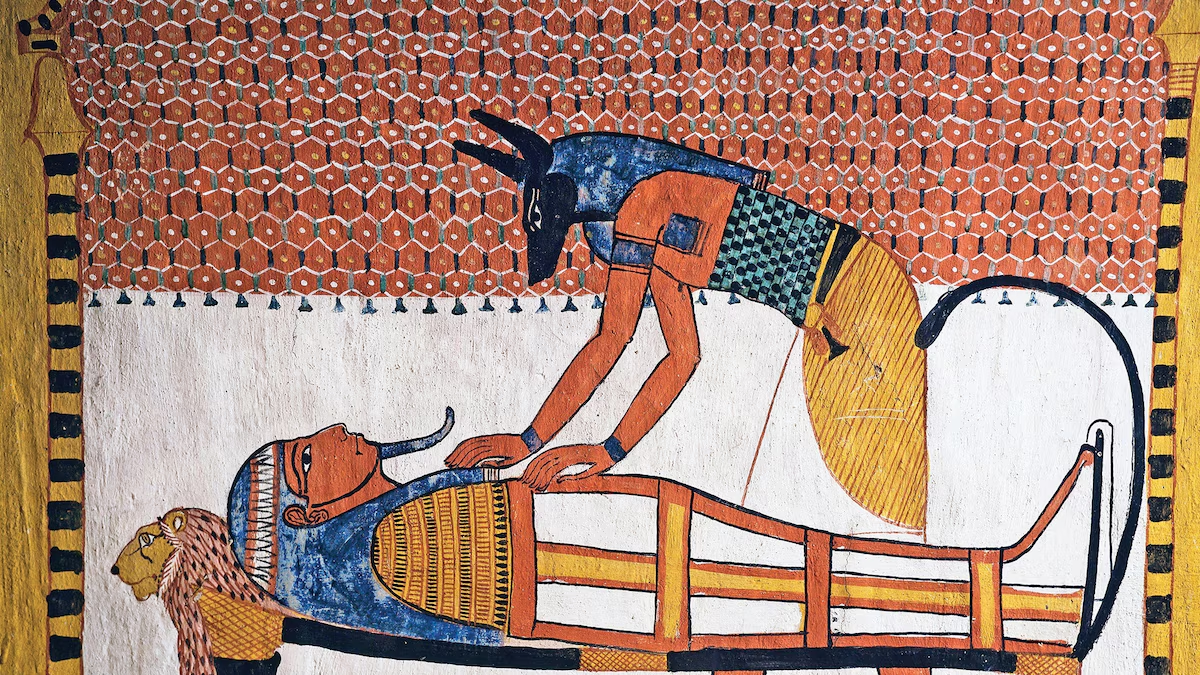
While the story of the Golden Scarab and its curse is a captivating one, it is important to distinguish between historical fact and fictional embellishment. The concept of curses on ancient tombs and artifacts has been popularized by literature and media, most notably in the “mummy’s curse” trope. In reality, there is little evidence to support the idea of supernatural curses in Ancient Egyptian culture. The warnings inscribed on tombs were likely intended to deter grave robbers rather than invoke magical punishments.

However, the fascination with curses is not entirely unfounded. The discovery of Tutankhamun’s tomb in 1922 by Howard Carter led to the spread of the “curse of the pharaohs” after several individuals associated with the excavation died under mysterious circumstances. This incident fueled the public’s interest in Egyptian curses and has been a source of speculation and intrigue ever since.

The Legacy of the Golden Scarab

Regardless of its supernatural aspects, the legend of the Golden Scarab serves as a testament to the enduring allure of Ancient Egypt. It highlights the rich symbolism and religious beliefs that permeated Egyptian society and the sophisticated craftsmanship of its artisans. The scarab beetle, in its various forms, remains a powerful symbol of Egyptian culture and continues to fascinate archaeologists, historians, and enthusiasts alike.

In conclusion, the Curse of the Golden Scarab is a legend that encapsulates the mystery and wonder of Ancient Egypt. While the curse itself may be a product of the imagination, the story invites us to explore the complex beliefs and traditions of a civilization that has left an indelible mark on human history. As we continue to uncover the secrets of the past, the Golden Scarab reminds us of the enduring power of myth and the eternal quest for understanding the unknown.