
The Alchemist’s Secret: Unveiling the Mysteries

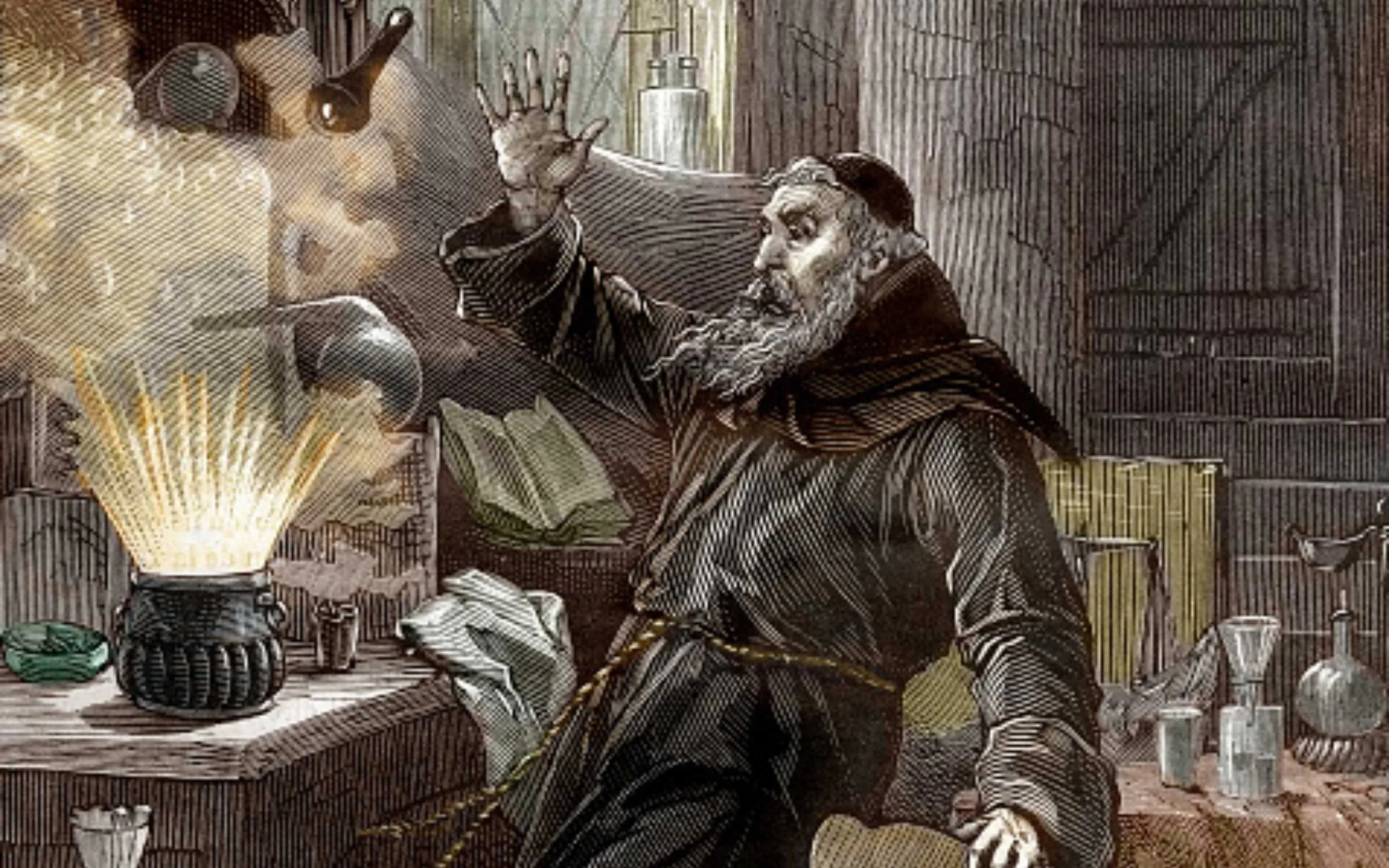
pasecrets.com – In the annals of history, few pursuits have captivated the human imagination quite like alchemy. Often shrouded in mystery and intrigue, alchemy is a medieval precursor to modern chemistry that sought to turn base metals into gold, discover the elixir of eternal life, and unlock the secrets of the universe. Among the countless tales and legends that surround this ancient art, one of the most intriguing is that of “The Alchemist’s Secret.” This secret, often considered the ultimate goal of alchemists, is a subject of much speculation and fascination. In this article, we will delve into the world of alchemy, explore the nature of the alchemist’s secret, and consider its implications for both the past and the present.

The Quest for Transmutation

At the heart of alchemy lies the quest for transmutation, the process of transforming one substance into another. The most famous of these transformations is the attempt to convert lead or other base metals into gold. This pursuit was not merely about acquiring wealth; it was a symbolic endeavor that represented the alchemist’s quest for perfection and enlightenment. The philosopher’s stone, a legendary substance with the power to achieve this transmutation, became the holy grail of alchemical research.

The Philosopher’s Stone: Myth or Reality?

The philosopher’s stone is often considered the epitome of the alchemist’s secret. It was believed to have the ability not only to transmute metals but also to heal all diseases and prolong life indefinitely. However, despite centuries of dedicated research, no alchemist ever conclusively demonstrated the existence of the philosopher’s stone. This has led many to view it as a myth, a symbol of the unattainable perfection that humanity seeks.

The Spiritual Dimension of Alchemy

While the physical aspects of alchemy, such as the search for the philosopher’s stone, are well known, the art also has a profound spiritual dimension. Many alchemists believed that their work was a reflection of a deeper, spiritual process of transformation. This process involved the purification of the soul and the attainment of wisdom. In this sense, the alchemist’s secret could be seen as a metaphor for the journey towards self-discovery and enlightenment.

The Legacy of Alchemy

Although alchemy as a practice has largely been supplanted by modern chemistry, its legacy lives on. The alchemist’s secret, whether it be the philosopher’s stone or the spiritual enlightenment it represents, continues to inspire and intrigue. In literature, art, and popular culture, alchemy serves as a powerful symbol of transformation and the quest for knowledge.

Conclusion

The alchemist’s secret remains one of the most enduring mysteries of the ancient world. Whether it is a physical substance, a spiritual journey, or a metaphor for the human condition, it captures the essence of the alchemical quest for transformation and perfection. As we continue to explore the mysteries of the universe, the lessons of alchemy remind us of the enduring human desire to understand and shape the world around us.
Unveiling the Enigma: The Sinister Smile of the Mona Lisa

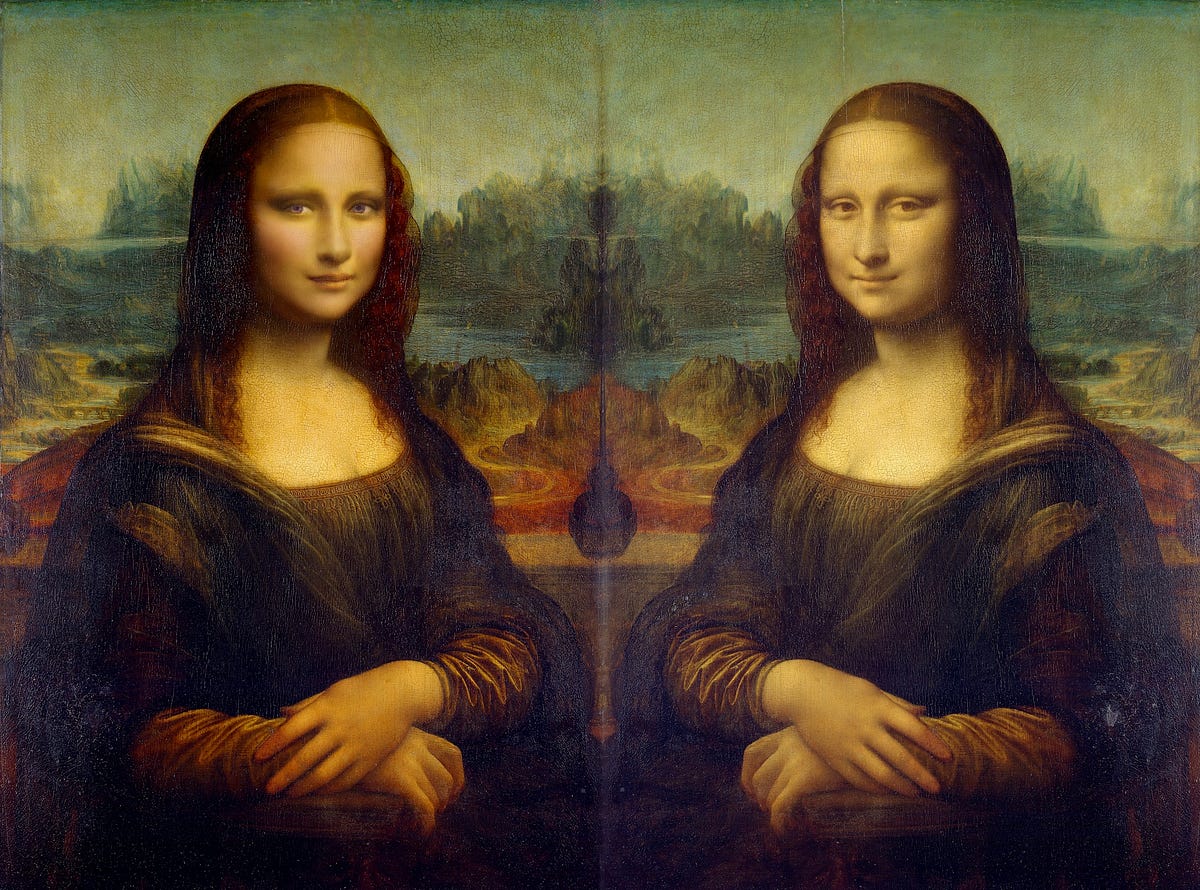
pasecrets.com – The Mona Lisa, arguably the most famous painting in the world, has captivated the imagination of millions with its enigmatic subject and the mysterious smile that plays upon her lips. Painted by the Renaissance master Leonardo da Vinci around 1503-1506, this masterpiece has been the subject of endless fascination, speculation, and interpretation. Among the many theories that have been proposed over the centuries, one of the most intriguing is the idea that the Mona Lisa’s smile is not just enigmatic but sinister. This article delves into the reasons behind this interpretation and explores the various theories that suggest there might be a darker side to the most famous smile in art history.

The Origins of the Sinister Interpretation

The sinister interpretation of the Mona Lisa’s smile is not a modern phenomenon. It has its roots in the historical context of the painting and the life of its creator, Leonardo da Vinci. Leonardo was not only a painter but also an inventor, scientist, and anatomist. His fascination with the human body and his studies of anatomy, which included dissections, could have influenced his portrayal of the human form and expression in his art. Some historians and art critics suggest that Leonardo’s knowledge of human anatomy and his understanding of the mechanics of facial expressions allowed him to imbue the Mona Lisa with a smile that is both alluring and unsettling.

The Technique Behind the Smile

Leonardo da Vinci employed a technique known as “sfumato” in painting the Mona Lisa. This technique involves the use of subtle gradations of color and light to create a smoky effect that softens the transitions between shadows and highlights. The result is a portrait where the boundaries between forms are blurred, giving the Mona Lisa’s features, especially her smile, an ethereal and ambiguous quality. This ambiguity has led some viewers to interpret the smile as sinister, as it seems to change when viewed from different angles or in different lights, as if the subject is hiding something or is amused by a secret known only to her.

Psychological Interpretations

The psychological interpretation of the Mona Lisa’s smile has been a subject of interest for many scholars. Some psychologists suggest that the reason the smile is perceived as sinister by some viewers is due to the phenomenon known as the “uncanny valley.” This theory posits that when human features are almost, but not exactly, right, they elicit feelings of eeriness and discomfort in observers. The Mona Lisa’s smile, with its ambiguity and the subtlety of its expression, may fall into this “uncanny valley,” making it unsettling for some viewers.

Conspiracy Theories and Alternative Interpretations

Over the years, the Mona Lisa has been the subject of numerous conspiracy theories and alternative interpretations. Some of these theories suggest that the painting contains hidden messages or that the smile is a clue to a deeper, darker narrative. One popular theory is that the Mona Lisa is actually a self-portrait of Leonardo da Vinci, which would add a layer of complexity to the painting’s enigmatic smile. Another theory suggests that the smile is sinister because it reflects Leonardo’s knowledge of the fate of the painting’s subject, Lisa Gherardini, or because it symbolizes the transient nature of life and beauty.

Conclusion

The Mona Lisa’s smile, with its ambiguity and the myriad interpretations it has inspired, remains one of the most intriguing aspects of this masterpiece. Whether one sees it as serene, enigmatic, or sinister, there is no denying the power of this smile to captivate and intrigue. The debate over its true nature is likely to continue, as each generation brings its own perspectives and interpretations to this timeless work of art. The Mona Lisa, with her enigmatic smile, will undoubtedly continue to fascinate and inspire for centuries to come.