
The Glimpse into Romania’s Ancient History: The Iron Gates

pasecrets.com – Nestled along the majestic Danube River, the Iron Gates region stands as a testament to Romania’s rich and complex history. This area, known for its breathtaking natural beauty, is also a treasure trove of archaeological sites that offer a glimpse into the lives of ancient civilizations that once thrived here. From the Dacians to the Romans, the Iron Gates have been a strategic and cultural crossroads for millennia.

The Dacian Fortresses: A Symbol of Ancient Resilience

One of the most striking features of the Iron Gates area is the series of Dacian fortresses that dot the landscape. These ancient fortifications, built by the Dacians between the 1st century BC and the 1st century AD, are a testament to the engineering skills and military prowess of this indigenous people. The most famous of these fortresses, such as Sarmizegetusa Regia, were not only centers of power but also cultural and religious hubs.

The Dacians, known for their fierce independence, used these fortresses to defend their territory against invaders, most notably the Roman Empire. The remains of these structures, with their strategic locations and sophisticated defensive systems, offer a fascinating insight into the life of a warrior society that once dominated the region.

The Roman Legacy: Integration and Infrastructure

After the conquest of Dacia by the Roman Emperor Trajan in AD 106, the Iron Gates region became an integral part of the Roman Empire. The Romans, known for their engineering skills, left an indelible mark on the area, transforming it into a key administrative and economic center.

The construction of roads, bridges, and fortifications facilitated trade and military movements, while the establishment of colonies brought Roman culture and lifestyle to the region. The ruins of Roman towns, such as Drobeta, and the remnants of Trajan’s Bridge, one of the most impressive engineering feats of the ancient world, are vivid reminders of the Roman legacy in the Iron Gates.

The Iron Gates and the Danube: A Crossroads of Civilizations

The Danube River, which flows through the Iron Gates, has been a vital artery for trade and communication since ancient times. The region’s strategic location at the crossroads of Europe has made it a melting pot of cultures and civilizations.

The river has not only been a pathway for conquest and migration but also a source of life and prosperity. The fertile lands along its banks have supported agriculture and fishing, while its waters have been used for transportation and trade. The Iron Gates, with their dramatic gorges and serene landscapes, have been a backdrop to the unfolding drama of human history along the Danube.

Exploring the Iron Gates Today

Today, the Iron Gates region is a popular destination for visitors who are eager to explore its rich history and natural beauty. Archaeological sites, museums, and national parks offer a variety of experiences for travelers. The Iron Gates National Park, with its stunning vistas and diverse wildlife, is a must-visit for nature lovers.

For history enthusiasts, guided tours of the Dacian fortresses and Roman ruins provide an opportunity to step back in time and imagine the lives of the people who once called this place home. The Iron Gates, with their enduring legacy, continue to captivate and inspire, serving as a bridge between the ancient past and the present.

In conclusion, the Iron Gates region of Romania is much more than a natural wonder; it is a living museum that tells the story of ancient civilizations. From the Dacian fortresses to the Roman ruins, the area offers a glimpse into a bygone era, inviting us to reflect on the enduring human spirit and the indelible marks we leave on the world.
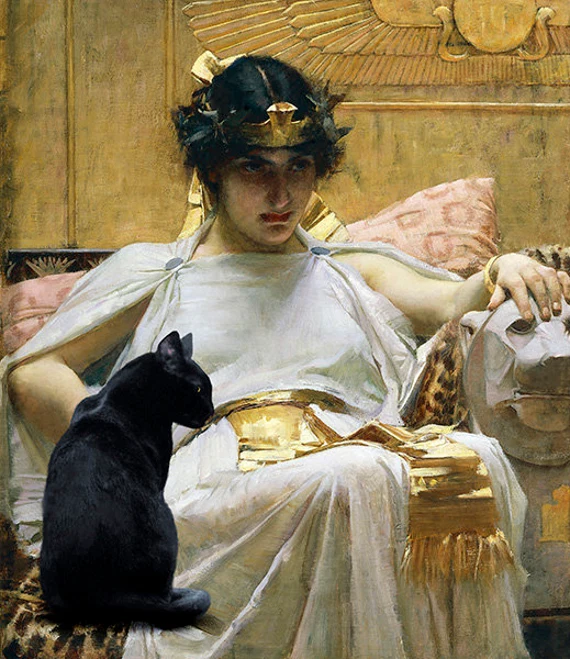
Dangerous Women Throughout History: The Perilous Beauty

pasecrets.com – pasecrets.com – Throughout history, the term “dangerous women” has often been used to describe those who defy societal norms, challenge authority, or wield power in ways that disrupt the status quo. These women, often vilified or romanticized, have left indelible marks on the tapestry of time. They are the perilous beauties, the femmes fatales, and the warriors who have navigated the treacherous waters of history with cunning, strength, and an unwavering will to power. This article delves into the lives of some of these remarkable women, exploring the complexities of their characters and the legacies they have left behind.

Cleopatra VII of Egypt is perhaps one of the most iconic dangerous women in history. Her intelligence, political acumen, and strategic alliances with Roman leaders Julius Caesar and Mark Antony, not only secured her reign but also made her a symbol of seduction and manipulation. Cleopatra’s ability to navigate the volatile world of ancient politics and her tragic end have immortalized her as a figure of both admiration and caution.

Moving forward in time, we encounter Boudica, the queen of the British Celtic Iceni tribe who led an uprising against the occupying forces of the Roman Empire. Her ferocity and leadership in battle, driven by a desire to avenge the wrongs inflicted upon her and her people, earned her a place in history as a formidable warrior queen. Boudica’s rebellion, though ultimately unsuccessful, became a symbol of resistance and defiance against oppression.

In the medieval period, Joan of Arc emerged as a beacon of courage and faith. Her divine visions led her to inspire the French army to victory over the English at OrlĂ©ans, turning the tide of the Hundred Years’ War. Joan’s conviction and her role in shaping the course of history were met with suspicion and hostility, leading to her tragic end at the stake. Her legacy, however, endures as a testament to the power of belief and the dangers of challenging the established order.

The Renaissance brought forth figures like Catherine de’ Medici, the Queen Consort of France, whose name became synonymous with intrigue and poison. Her involvement in the political machinations of the French court, including the infamous St. Bartholomew’s Day Massacre, earned her a reputation as a ruthless and cunning player in the deadly game of power. Catherine’s legacy is a complex one, reflecting the perilous nature of courtly life and the lengths to which women would go to secure their positions.

In more recent history, women like Empress Dowager Cixi of China wielded immense power behind the scenes, effectively ruling the Qing Dynasty for over four decades. Her controversial reforms and resistance to foreign influence, along with her ruthless consolidation of power, have made her a figure of both admiration and criticism. Cixi’s life and rule highlight the complexities of leadership and the dangers of absolute power.

These women, among others, have been labeled dangerous not only because of their actions but also because they challenged the prevailing notions of femininity and power. They navigated a world that was often hostile to women in positions of authority, using intelligence, strength, and sometimes ruthlessness to carve out their places in history.

The term “dangerous women” is not without its controversies, as it can perpetuate stereotypes and oversimplify the complexities of these women’s lives and motivations. However, it also serves as a reminder of the multifaceted nature of power and the diverse ways in which women have wielded it throughout history.

In conclusion, the perilous beauties of history remind us of the dangers and possibilities inherent in challenging the status quo. Their stories, though often shrouded in myth and legend, offer valuable lessons on leadership, resilience, and the enduring struggle for power and recognition. As we continue to explore the lives of these remarkable women, we are reminded of the complexities of history and the enduring legacy of those who dare to defy the odds.