
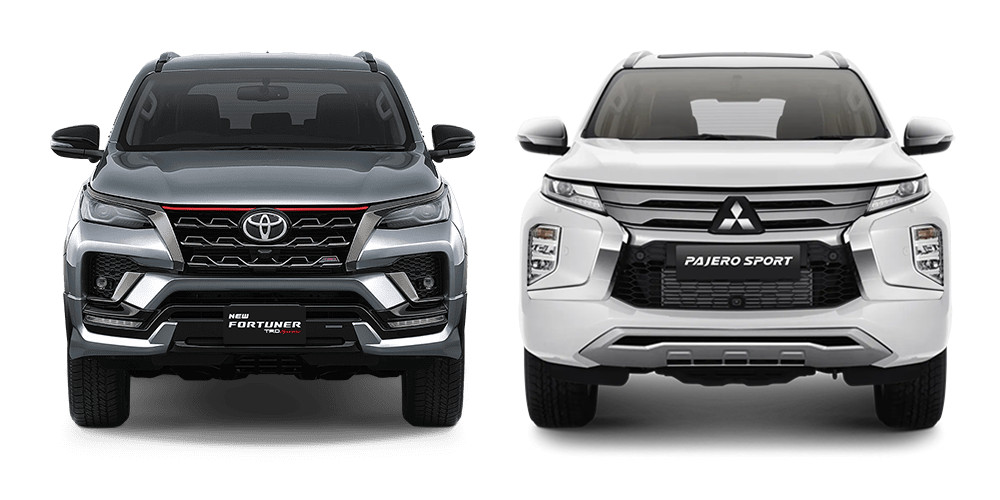
Fortuner vs Pajero Sport: Duel Harga SUV Premium yang Memikat Hati

PASECRETS Dalam dunia otomotif Indonesia, SUV premium sering kali menjadi pilihan utama bagi mereka yang mencari kombinasi antara kenyamanan, performa, dan gaya. Dua nama besar dalam segmen ini adalah Toyota Fortuner dan Mitsubishi Pajero Sport. Kedua kendaraan ini tidak hanya menawarkan fitur canggih dan desain yang menawan, tetapi juga bersaing ketat dalam hal harga. Artikel ini akan membahas perbandingan harga antara Toyota Fortuner terbaru dan Mitsubishi Pajero Sport, serta faktor-faktor lain yang dapat mempengaruhi pilihan Anda.

Harga Toyota Fortuner Terbaru

Harga Toyota Fortuner Terbaru

Toyota Fortuner adalah salah satu SUV paling populer di Indonesia, dikenal dengan ketangguhannya dan reputasi keandalannya. Versi terbaru Fortuner hadir dengan beberapa pilihan varian, masing-masing menawarkan fitur dan spesifikasi yang berbeda. Berikut adalah kisaran harga untuk Fortuner terbaru:

  • Fortuner 2.4 G: Sekitar Rp 550.000.000
  • Fortuner 2.4 VRZ: Sekitar Rp 620.000.000
  • Fortuner 2.7 SRZ: Sekitar Rp 650.000.000
  • Fortuner 2.8 Legender: Sekitar Rp 730.000.000

Harga ini bervariasi tergantung pada wilayah dan dealer, namun memberikan gambaran umum mengenai investasi yang diperlukan untuk memiliki Fortuner terbaru.

Harga Mitsubishi Pajero Sport Terbaru
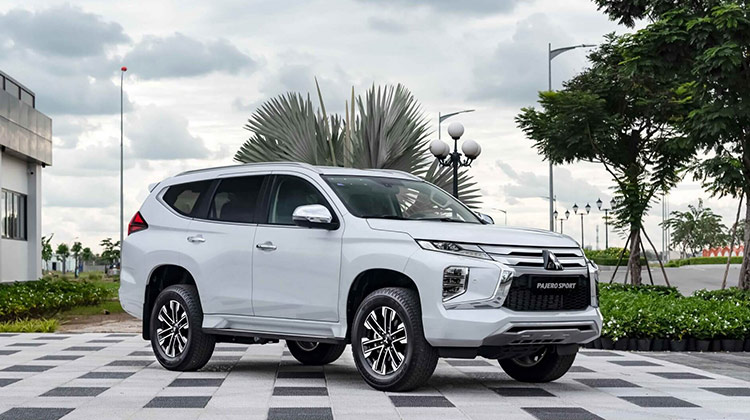
Harga Mitsubishi Pajero Sport Terbaru

Mitsubishi Pajero Sport juga merupakan pilihan yang sangat populer di segmen SUV premium. Dikenal dengan desain yang maskulin dan fitur-fitur canggih, Pajero Sport menawarkan beberapa varian yang berbeda. Berikut adalah kisaran harga untuk Pajero Sport terbaru:

  • Pajero Sport GLX: Sekitar Rp 570.000.000
  • Pajero Sport Exceed: Sekitar Rp 650.000.000
  • Pajero Sport Dakar: Sekitar Rp 700.000.000
  • Pajero Sport Dakar Ultimate: Sekitar Rp 750.000.000

Sama halnya dengan Fortuner, harga Pajero Sport juga dapat bervariasi tergantung pada lokasi dan dealer, tetapi kisaran harga ini memberi gambaran yang jelas tentang investasi yang dibutuhkan.

Faktor-faktor yang Mempengaruhi Harga

Faktor-faktor yang Mempengaruhi Harga

Perbandingan harga antara Fortuner dan Pajero Sport tidak hanya tergantung pada harga dasar masing-masing model. Beberapa faktor tambahan yang dapat mempengaruhi keputusan Anda antara lain:

  1. Fitur dan Teknologi: Baik Fortuner maupun Pajero Sport menawarkan berbagai fitur teknologi dan kenyamanan. Misalnya, Pajero Sport Dakar Ultimate dilengkapi dengan sistem audio premium dan layar sentuh yang lebih canggih dibandingkan dengan varian dasar. Sementara itu, Fortuner 2.8 Legender memiliki fitur-fitur premium seperti kursi kulit dan sistem infotainment yang lebih lengkap.
  2. Kapasitas dan Performa: Fortuner biasanya menawarkan varian mesin yang berbeda, dengan pilihan mesin diesel yang bertenaga. Pajero Sport juga menawarkan performa mesin yang mengesankan, terutama pada varian Dakar. Performa mesin ini dapat mempengaruhi harga dan pilihan Anda sesuai dengan kebutuhan berkendara.
  3. Desain dan Kenyamanan: Desain eksterior dan interior juga mempengaruhi harga. Pajero Sport dikenal dengan desain yang lebih agresif dan fitur interior yang modern, sementara Fortuner menawarkan desain yang elegan dan berbagai pilihan warna serta material interior.

Dalam perbandingan harga antara Toyota Fortuner dan Mitsubishi Pajero Sport, kedua SUV ini menawarkan nilai yang baik untuk harga yang dibayarkan. Pilihan Anda akan tergantung pada preferensi pribadi, fitur yang diinginkan, dan anggaran yang tersedia. Baik Fortuner maupun Pajero Sport adalah kendaraan yang dapat diandalkan dan menawarkan berbagai fitur yang dapat memenuhi kebutuhan SUV premium Anda.

Dengan mempertimbangkan harga dan fitur masing-masing, Anda dapat membuat keputusan yang lebih terinformasi tentang SUV mana yang terbaik untuk Anda. Selamat memilih dan semoga perjalanan Anda dengan SUV baru Anda menjadi pengalaman yang menyenangkan!
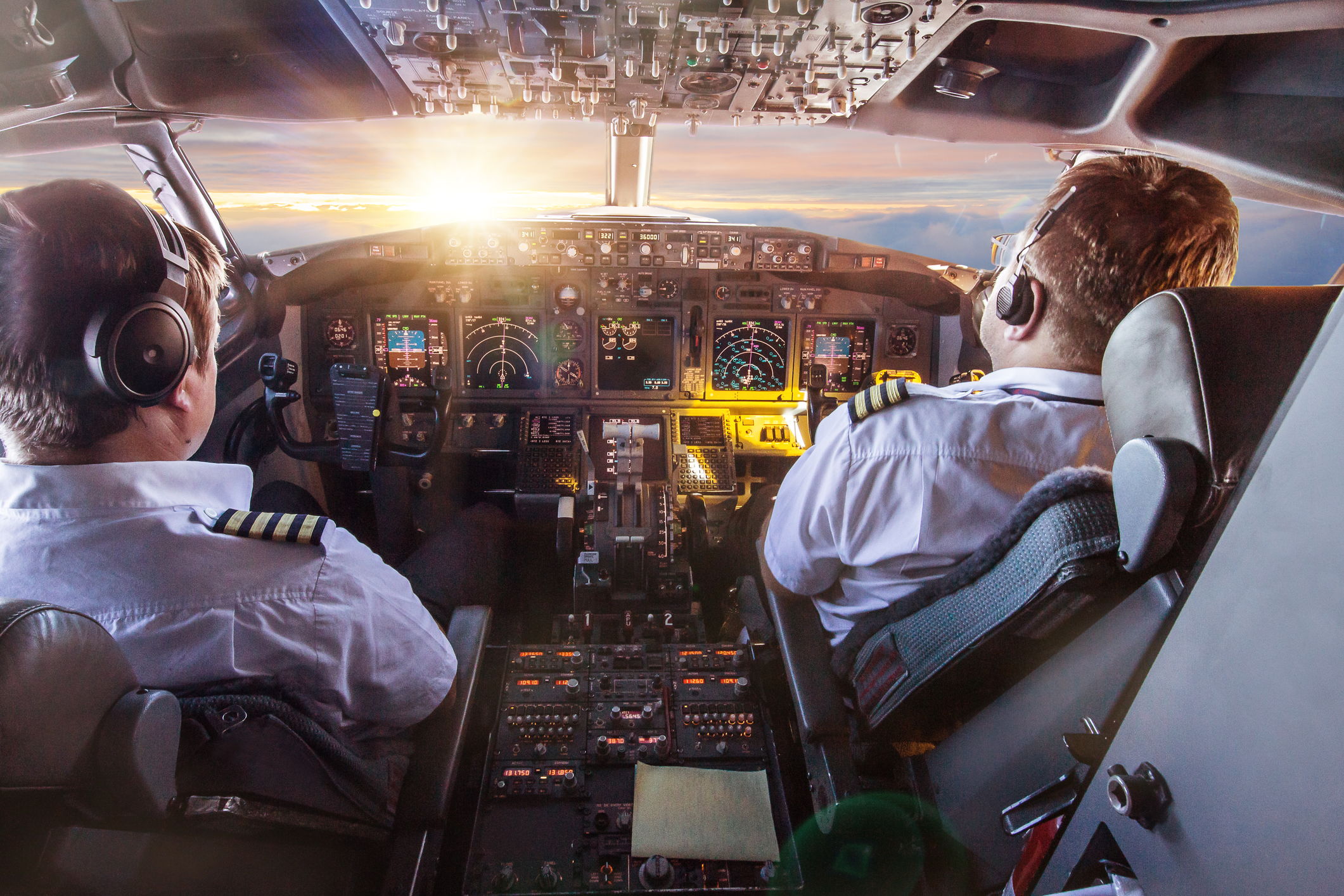

Mastering the Skies: The Art of Piloting

pasecrets.com – The art of piloting is a complex and fascinating endeavor that requires a blend of technical skill, intuition, and a deep understanding of the natural elements. Pilots are the modern-day navigators, charting their course through the skies with precision and grace. This article delves into the intricacies of piloting, exploring the skills, knowledge, and mindset required to master the skies.

The Foundations of Flight

At the heart of piloting is a thorough understanding of aerodynamics and aircraft systems. Aspiring pilots must grasp the principles of lift, thrust, drag, and weight, and how these forces interact to keep an aircraft aloft. Familiarity with different types of aircraft, from small propeller planes to large commercial jets, is also crucial. Each aircraft has its unique characteristics and handling requirements, which pilots must learn to navigate.

Navigating the Skies

Navigation is a critical aspect of piloting. Pilots use a combination of traditional methods, such as reading maps and using compasses, alongside modern technology like GPS and radar. They must also be adept at interpreting weather patterns and forecasts to plan safe and efficient flight paths. In the digital age, pilots rely on sophisticated avionics systems to assist with navigation, but the ability to navigate without electronic aids remains a fundamental skill.

Communication and Teamwork

Effective communication is vital in the cockpit. Pilots must be able to clearly convey instructions and information to their co-pilots, cabin crew, and air traffic control. They also need to be excellent listeners, able to process and respond to instructions quickly and accurately. Teamwork is essential, as the safety and comfort of passengers often depend on the seamless coordination between pilots and crew.

Handling Emergencies

One of the most challenging aspects of piloting is dealing with emergencies. Pilots must be prepared to handle a wide range of unexpected situations, from mechanical failures to severe weather. Quick thinking, calmness under pressure, and a thorough knowledge of emergency procedures are essential. Simulator training and regular drills help pilots hone their skills in a controlled environment, ensuring they are ready to act swiftly and decisively when the need arises.

The Continuous Learning Journey

Piloting is a profession that demands lifelong learning. Technology advances rapidly, and pilots must stay abreast of new developments in aircraft design, navigation tools, and safety protocols. They also need to accumulate flight hours and gain experience in different conditions and scenarios. Continuous training and education are key to maintaining proficiency and staying at the top of their game.

Conclusion

The art of piloting is a multifaceted discipline that combines science, technology, and human skill. Mastering the skies requires dedication, expertise, and a passion for flight. Pilots who commit to this journey not only achieve a profound sense of accomplishment but also play a vital role in connecting the world, carrying passengers and cargo safely across the globe. As we look to the future of aviation, the art of piloting will undoubtedly evolve, but the core principles of precision, safety, and professionalism will remain steadfast.

The Evolution of the Automobile

The automobile, a symbol of modernity and freedom, has undergone a remarkable evolution since its inception. From the early horseless carriages to the sleek, high-tech vehicles of today, the car has been a driving force behind societal, economic, and technological advancements. This article explores the fascinating journey of the automobile, highlighting key milestones and innovations that have shaped its evolution.

The Dawn of the Automobile:

The story of the automobile begins in the late 19th century. Several inventors across the globe were experimenting with different propulsion methods, including steam, electricity, and the internal combustion engine. However, it was Karl Benz’s Motorwagen, powered by a gasoline engine, that is often credited with being the first true automobile, patented in 1886.

Mass Production and the Model T:

The automobile remained a luxury item until Henry Ford revolutionized the industry with the Model T in 1908. Ford’s implementation of the assembly line in 1913 drastically reduced production time and cost, making car ownership accessible to the average American. This democratization of the automobile changed the landscape of society, impacting everything from urban planning to family life.

The Golden Age of the Automobile:

The 1920s and 1930s saw the automobile industry flourish, with manufacturers introducing new designs, features, and technologies. The introduction of hydraulic brakes, automatic transmissions, and independent front suspension systems improved safety and comfort. The era was also marked by the rise of automotive giants like General Motors, which implemented the concept of planned obsolescence to stimulate consumer demand.

Post-War Boom and the Muscle Car Era:

After World War II, the United States experienced an economic boom that fueled the demand for cars. The 1950s and 1960s were characterized by larger, more powerful cars, with tailfins and chrome embellishments. The muscle car era emerged, with American manufacturers producing high-performance vehicles that appealed to the youth culture.

The Oil Crisis and Efficiency:

The 1970s oil crisis brought about a shift in consumer preferences towards smaller, more fuel-efficient vehicles. Japanese and European manufacturers capitalized on this trend, introducing compact and economical models that gained popularity in the American market. This period also saw the introduction of emission controls and safety standards, setting the stage for the modern automotive industry.

The Digital Revolution:

The late 20th century witnessed the integration of digital technology into automobiles. Anti-lock braking systems (ABS), electronic fuel injection, and airbags became standard features. The advent of the internet and global positioning systems (GPS) further transformed the driving experience, providing real-time navigation and connectivity.

The Green Movement and Electric Vehicles:

In response to growing environmental concerns and the need for sustainable transportation, the 21st century has seen a resurgence of electric vehicles (EVs). Pioneered by companies like Tesla, EVs have gained traction with consumers, governments, and automakers alike. Battery technology advancements have increased range and reliability, while the push for renewable energy has made electric cars a viable alternative to internal combustion engines.

Autonomous Vehicles and the Future:

Looking ahead, the automobile industry is poised for another revolution with the development of autonomous vehicles (AVs). Utilizing artificial intelligence, machine learning, and sensor fusion, AVs promise to transform road safety, traffic congestion, and urban planning. As the technology matures, we may see a future where personal vehicles operate without human intervention, heralding a new era in the evolution of the automobile.

The evolution of the automobile is a testament to human ingenuity and adaptability. From the early experiments with horseless carriages to the sophisticated, connected vehicles of today, the car has been a mirror reflecting the technological and societal changes of each era. As we continue to innovate, the automobile will undoubtedly continue to evolve, shaping the future of transportation and beyond.