Panda: Si Hitam Putih yang Jadi Duta Damai Dunia

Panda bukan hanya hewan lucu yang gemar makan bambu dan berguling-guling di tanah. Lebih dari itu, panda telah memainkan peran penting sebagai simbol diplomasi dan perdamaian slot depo 5k internasional. China, sebagai negara asal panda, aktif menggunakan hewan ini untuk mempererat hubungan dengan berbagai negara. Inilah mengapa banyak orang menyebut panda sebagai “duta damai dunia.”

Dari Hutan Bambu ke Panggung Dunia

Panda hidup secara alami di pegunungan berhutan bambu di Tiongkok tengah. Meskipun mereka termasuk keluarga beruang, panda memiliki sifat yang tenang, tidak agresif, dan lebih suka menyendiri. Dengan warna tubuh hitam putih yang khas, panda mudah dikenali dan disukai oleh hampir semua orang, dari anak kecil hingga orang dewasa.

Namun, bukan hanya keunikan fisik yang membuat panda istimewa. Pemerintah China secara aktif mengirimkan panda ke kebun binatang di berbagai negara sebagai simbol persahabatan. Praktik ini dikenal sebagai “diplomasi panda.” Contohnya, ketika China menghadiahkan panda ke Amerika Serikat pada 1972, hubungan kedua negara langsung mencair setelah bertahun-tahun tegang.

Simbol Damai yang Tak Tergantikan

Panda mewakili nilai-nilai damai, kerjasama, dan kepedulian terhadap lingkungan. Organisasi konservasi seperti WWF bahkan memilih panda sebagai logonya karena simbol ini dianggap kuat, universal, dan mudah diterima oleh berbagai budaya.

Banyak negara yang menerima panda merasa bangga, karena selain memperkuat hubungan diplomatik, kehadiran panda juga meningkatkan kesadaran akan pentingnya konservasi satwa langka.

Panda bukan hanya ikon binatang imut. Ia membawa pesan damai, menjadi jembatan antara budaya, dan menunjukkan bagaimana satu makhluk hidup bisa menyatukan berbagai bangsa. Dengan segala pesonanya, panda pantas disebut duta damai dunia—dan dunia jelas mencintainya.

Creating a Safe Environment for Your Pet: Pet-Proofing Your Home

pasecrets.com – Bringing a new pet into your home is an exciting time, but it also comes with responsibilities. One of the most important tasks is to ensure that your home is safe for your new furry friend. Pet-proofing your home is essential to prevent accidents and injuries, as well as to protect your belongings from pet-related damage. This article will guide you through the steps to create a safe and welcoming environment for your pet.

Step 1: Remove Hazards

The first step in pet-proofing your home is to identify and remove potential hazards. This includes:

  • Toxic Substances: Store chemicals, medications, and toxic plants out of reach.
  • Small Objects: Keep small items that could be swallowed off the floor.
  • Electrical Cords: Secure cords with cord covers or tape them down to prevent chewing.
  • Trash: Use pet-proof trash cans to keep pets from rummaging through garbage.

Step 2: Pet-Proof Your Furniture and Flooring

Pets can be tough on furniture and flooring. To protect these areas:

  • Scratching Posts: Provide appropriate scratching posts to redirect your cat’s scratching behavior.
  • Furniture Covers: Use pet-friendly furniture covers to protect upholstery.
  • Flooring: Consider durable flooring options that are resistant to scratches and stains.

Step 3: Secure Windows and Doors

Windows and doors are potential escape routes for pets. To ensure their safety:

  • Window Screens: Install pet-resistant screens to prevent falls from open windows.
  • Door Barriers: Use baby gates or pet doors to restrict access to certain areas.
  • Escape-Proofing: Ensure that all doors leading outside are secure and that pets cannot slip out.

Step 4: Pet-Friendly Plants

If you have plants in your home, make sure they are pet-friendly:

  • Research: Look up which plants are toxic to pets and remove them from your home.
  • Alternatives: Replace toxic plants with pet-safe varieties.

Step 5: Create a Comfortable Space

Pets need their own space where they can relax and feel secure:

  • Bedding: Provide comfortable bedding in a quiet area of your home.
  • Toys: Keep a variety of toys available to keep your pet entertained.
  • Feeding Area: Designate a specific area for food and water bowls, away from high-traffic areas.

Conclusion

Pet-proofing your home is a crucial step in ensuring the safety and well-being of your pet. By removing hazards, protecting your furniture and flooring, securing windows and doors, choosing pet-friendly plants, and creating a comfortable space, you can create an environment where your pet can thrive. Remember, a little preparation can go a long way in preventing accidents and creating a happy home for both you and your pet.

The Tiny Titans of the Animal World: Insect Invasions

pasecrets.com – In the grand tapestry of life on Earth, insects are the unseen titans, wielding a power and influence far beyond their diminutive size. These tiny creatures, often overlooked or dismissed, are the true architects of our planet’s biodiversity and ecological balance. Yet, when insects invade in overwhelming numbers, they remind us of their formidable strength and resilience. This article delves into the world of insect invasions, exploring their causes, impacts, and the lessons they offer humanity.

The Mighty Multitudes

Insects are the most diverse group of organisms on the planet, with millions of species inhabiting every corner of the Earth. Their adaptability and reproductive prowess allow them to thrive in conditions that would be inhospitable to other forms of life. When environmental conditions align, certain insect species can experience population booms, leading to invasions that can alter landscapes, disrupt ecosystems, and impact human societies.

The Catalysts of Invasion

Several factors can trigger an insect invasion. Climate change, for instance, can create ideal breeding conditions for certain species, leading to explosive population growth. Human activities, such as agriculture, deforestation, and global trade, also play a significant role. These activities can inadvertently transport invasive insect species to new habitats where they have no natural predators, allowing them to proliferate unchecked.

The Impact of Insect Invasions

Insect invasions can have profound ecological and economic impacts. Locust swarms, for example, can decimate crops, leading to food shortages and economic hardship for affected communities. Invasive species like the emerald ash borer in North America have devastated ash tree populations, altering forest ecosystems and costing billions in mitigation efforts.

Beyond their direct impacts, insect invasions also serve as a stark reminder of the delicate balance of nature and the importance of biodiversity. They highlight the interconnectedness of ecosystems and the role humans play in their disruption.

Learning from the Tiny Titans

Insect invasions offer valuable lessons about the resilience of nature and the need for sustainable management of our planet’s resources. They underscore the importance of preserving biodiversity and the natural checks and balances that prevent any single species from dominating an ecosystem.

Moreover, studying insect invasions can lead to innovative solutions for controlling pest populations without resorting to harmful chemicals. Integrated pest management (IPM) strategies, which combine biological controls, habitat management, and chemical interventions only as a last resort, offer a more sustainable approach to dealing with invasive insects.

Conclusion

Insect invasions, while often viewed as a nuisance or a threat, are a testament to the incredible adaptability and resilience of life on Earth. By understanding and respecting the tiny titans of the animal world, we can learn to live in harmony with them, preserving the biodiversity that is essential for the health of our planet. As we navigate the challenges of climate change and habitat destruction, the lessons of insect invasions remind us of the need for stewardship and the power of small creatures to shape the world around us.

The Enchanting World of Butterflies: Wings of Wonder

In the vast tapestry of nature, few creatures captivate the human imagination quite like butterflies. These delicate, winged marvels flutter through the air with an elegance that seems almost magical, their vibrant colors and intricate patterns a testament to the beauty of the natural world. The enchanting world of butterflies, often referred to as “Wings of Wonder,” invites us to explore the mysteries of metamorphosis, the intricacies of ecosystems, and the sheer delight of observing these living jewels in their natural habitats.

The Miracle of Metamorphosis

At the heart of the butterfly’s allure is its remarkable life cycle, a process known as metamorphosis. This transformation from egg to caterpillar, then to chrysalis, and finally to butterfly is a symbol of change and renewal. It begins with a tiny egg, often laid on a leaf that will serve as food for the emerging caterpillar. The caterpillar, or larva, spends its days eating and growing, shedding its skin multiple times as it increases in size. Once it has reached its full growth, the caterpillar forms a chrysalis, a protective casing attached to a branch or leaf. Inside this chrysalis, the incredible transformation takes place, reshaping the caterpillar into a butterfly. The emergence of the butterfly from its chrysalis is a moment of pure wonder, as it unfurls its wings for the first time, ready to embark on the final stage of its life’s journey.

Diversity and Beauty

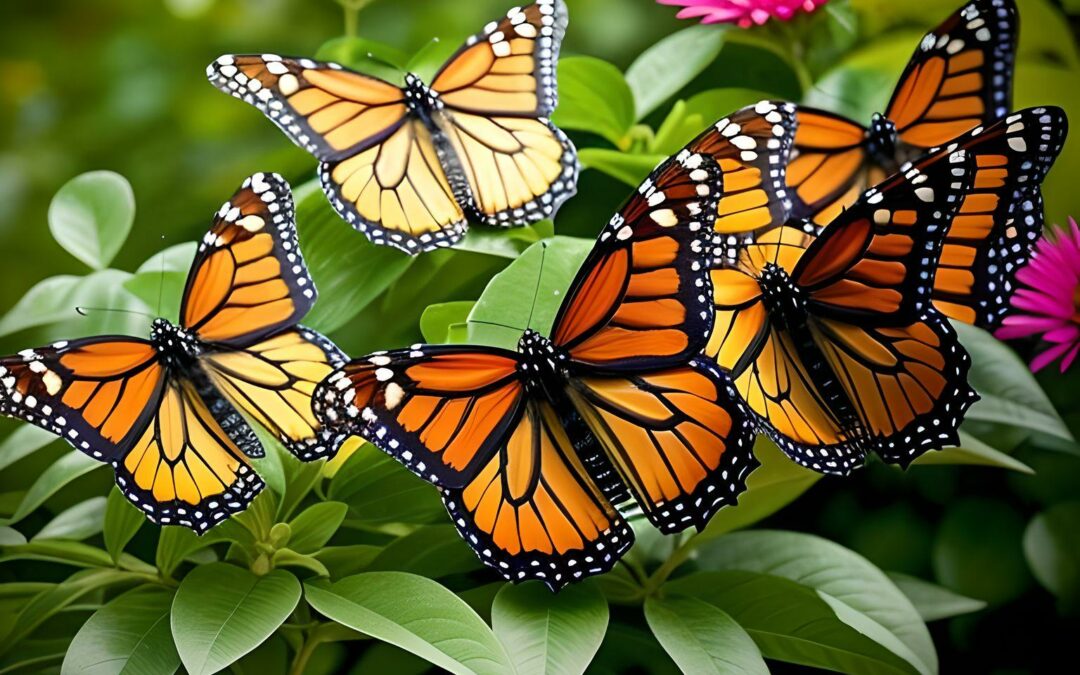
The world of butterflies is incredibly diverse, with thousands of species found across the globe. Each species is uniquely adapted to its environment, with colors and patterns that serve various purposes, from camouflage to attracting mates. The Monarch butterfly, with its striking orange and black wings, is perhaps one of the most famous species, known for its incredible migratory patterns. The Blue Morpho, with its iridescent blue wings, is another example of butterfly beauty, its vibrant coloration a result of the microscopic structures on its wing scales rather than pigmentation.

Ecological Importance

Butterflies play a crucial role in ecosystems, serving as both pollinators and indicators of environmental health. As they feed on nectar, they transfer pollen from one flower to another, helping to ensure plant reproduction. This makes them vital to the survival of many plant species, including those that are important for human food sources. Additionally, the presence and health of butterfly populations can signal the overall well-being of an ecosystem, making them important subjects of study for scientists monitoring environmental changes.

Conservation Efforts

Despite their beauty and ecological importance, butterflies face numerous threats, including habitat loss, climate change, and pesticide use. Conservation efforts are crucial to protecting these delicate creatures and the ecosystems they inhabit. This includes creating butterfly gardens, which provide a habitat for butterflies by offering nectar-rich flowers and host plants for caterpillars. Protecting and restoring natural habitats is also essential, as is raising awareness about the importance of butterflies and the threats they face.

A Source of Inspiration

Beyond their ecological significance, butterflies have long been a source of inspiration in art, literature, and culture. They symbolize transformation, beauty, and the fleeting nature of life. From the delicate watercolors of Maria Sibylla Merian, an 18th-century naturalist and artist, to the vibrant depictions in contemporary art, butterflies continue to captivate the human imagination.

In conclusion, the enchanting world of butterflies, or “Wings of Wonder,” offers us a glimpse into the marvels of nature. Their life cycle, diversity, and ecological role remind us of the interconnectedness of all life on Earth. As we marvel at the beauty of these delicate creatures, let us also commit to protecting them and the natural world they represent.