
The Tiny Titans of the Animal World: Insect Invasions

pasecrets.com – In the grand tapestry of life on Earth, insects are the unseen titans, wielding a power and influence far beyond their diminutive size. These tiny creatures, often overlooked or dismissed, are the true architects of our planet’s biodiversity and ecological balance. Yet, when insects invade in overwhelming numbers, they remind us of their formidable strength and resilience. This article delves into the world of insect invasions, exploring their causes, impacts, and the lessons they offer humanity.

The Mighty Multitudes

Insects are the most diverse group of organisms on the planet, with millions of species inhabiting every corner of the Earth. Their adaptability and reproductive prowess allow them to thrive in conditions that would be inhospitable to other forms of life. When environmental conditions align, certain insect species can experience population booms, leading to invasions that can alter landscapes, disrupt ecosystems, and impact human societies.

The Catalysts of Invasion

Several factors can trigger an insect invasion. Climate change, for instance, can create ideal breeding conditions for certain species, leading to explosive population growth. Human activities, such as agriculture, deforestation, and global trade, also play a significant role. These activities can inadvertently transport invasive insect species to new habitats where they have no natural predators, allowing them to proliferate unchecked.

The Impact of Insect Invasions

Insect invasions can have profound ecological and economic impacts. Locust swarms, for example, can decimate crops, leading to food shortages and economic hardship for affected communities. Invasive species like the emerald ash borer in North America have devastated ash tree populations, altering forest ecosystems and costing billions in mitigation efforts.

Beyond their direct impacts, insect invasions also serve as a stark reminder of the delicate balance of nature and the importance of biodiversity. They highlight the interconnectedness of ecosystems and the role humans play in their disruption.

Learning from the Tiny Titans

Insect invasions offer valuable lessons about the resilience of nature and the need for sustainable management of our planet’s resources. They underscore the importance of preserving biodiversity and the natural checks and balances that prevent any single species from dominating an ecosystem.

Moreover, studying insect invasions can lead to innovative solutions for controlling pest populations without resorting to harmful chemicals. Integrated pest management (IPM) strategies, which combine biological controls, habitat management, and chemical interventions only as a last resort, offer a more sustainable approach to dealing with invasive insects.

Conclusion

Insect invasions, while often viewed as a nuisance or a threat, are a testament to the incredible adaptability and resilience of life on Earth. By understanding and respecting the tiny titans of the animal world, we can learn to live in harmony with them, preserving the biodiversity that is essential for the health of our planet. As we navigate the challenges of climate change and habitat destruction, the lessons of insect invasions remind us of the need for stewardship and the power of small creatures to shape the world around us.
The Pinnacle of Wealth: The World’s Costliest Things

pasecrets.com – In a world where luxury knows no bounds, the pinnacle of wealth is often defined by the possession of the rarest and most expensive items. From exquisite diamonds to luxurious yachts, the journey through the world’s costliest things is a testament to human ingenuity, craftsmanship, and the relentless pursuit of exclusivity. This article takes you on a captivating tour of some of the most expensive items ever created or discovered, showcasing the heights of opulence that only a select few can afford.

The World’s Most Expensive Jewels:

The allure of precious gemstones has captivated humanity for centuries. The Graff Diamonds Hallucination, a 100-carat diamond necklace, is a prime example, valued at a staggering $400 million. Each diamond in this masterpiece is meticulously cut and set to create a kaleidoscope of colors, making it one of the most expensive necklaces in the world.

Luxury Real Estate:

Real estate is a traditional symbol of wealth, and some properties stand out for their exorbitant price tags. The most expensive home ever sold is Villa Leopolda on the French Riviera, which fetched $750 million. This palatial estate boasts breathtaking views of the Mediterranean, lush gardens, and a history that includes ownership by royalty and celebrities.

Supercars and Hypercars:

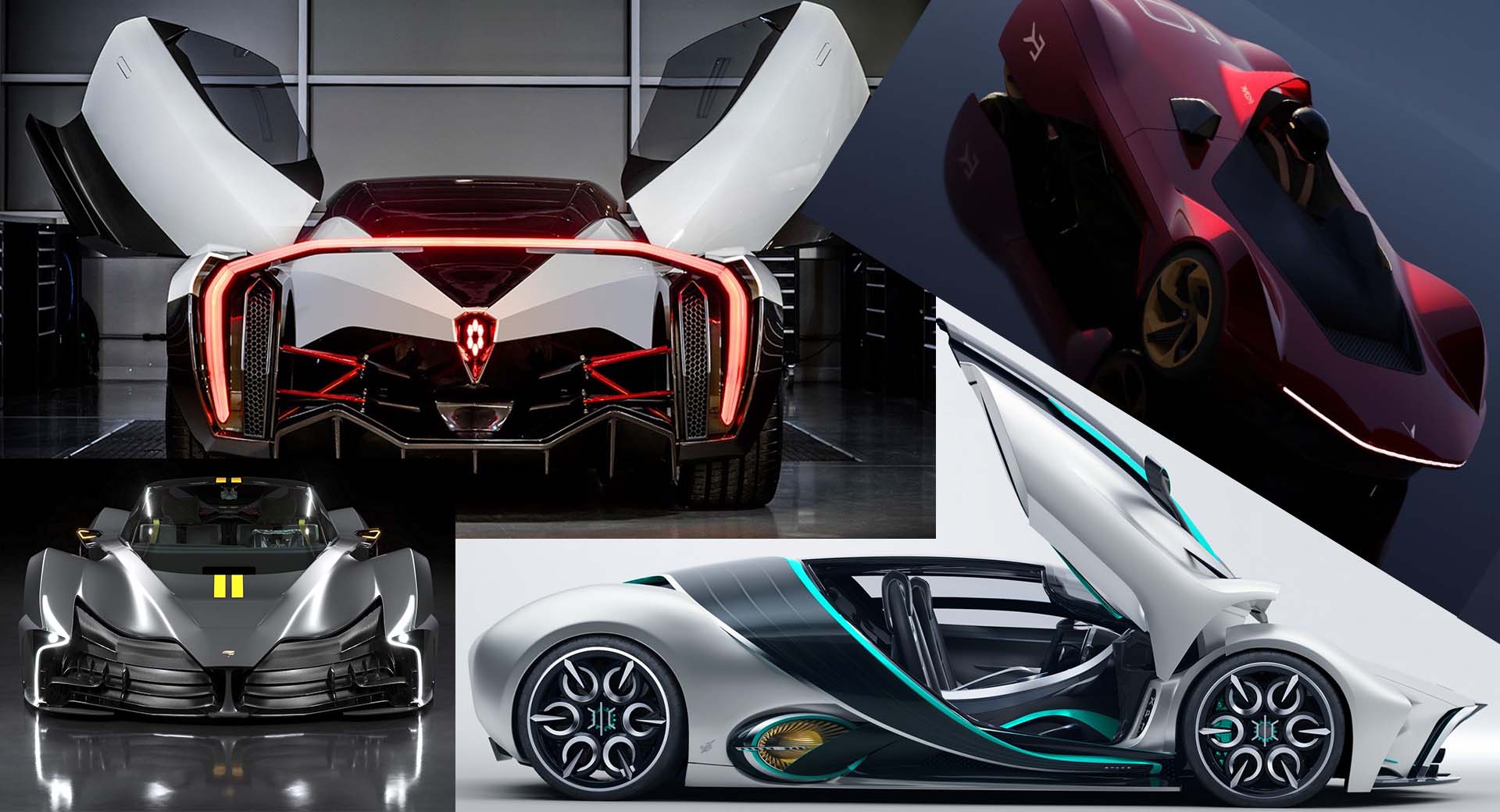
The automotive world is home to some of the most expensive machines on the planet. The Bugatti La Voiture Noire, priced at $18.7 million, is a hypercar that epitomizes the fusion of art and engineering. With its sleek design and unparalleled performance, it represents the pinnacle of automotive luxury.

Yachts and Private Jets:

For those who seek luxury on the move, yachts and private jets offer unparalleled comfort and exclusivity. The History Supreme, a 100-foot yacht, is the most expensive in the world, valued at $4.5 billion. It features a master bedroom aquarium, a pool with gold leaf, and a statue made of solid gold and platinum. In the skies, the Airbus A380, converted into a private jet, costs around $300 million, offering the ultimate in airborne luxury.

Art and Collectibles:

The world of art and collectibles is a playground for the ultra-wealthy. Leonardo da Vinci’s “Salvator Mundi” sold for $450.3 million, making it the most expensive painting ever sold at auction. Meanwhile, rare wines, vintage cars, and historical artifacts continue to fetch astronomical prices at auctions worldwide.

The journey through the world’s costliest things is a glimpse into a realm where money is no object, and the pursuit of perfection knows no limits. These items, whether they are jewels, real estate, vehicles, or art, are not just purchases; they are statements of wealth, taste, and the desire for the extraordinary. While such opulence may seem out of reach for most, it remains a fascinating aspect of human culture, showcasing the incredible lengths to which people will go to own a piece of the extraordinary.

The Enchanting World of Butterflies: Wings of Wonder

In the vast tapestry of nature, few creatures captivate the human imagination quite like butterflies. These delicate, winged marvels flutter through the air with an elegance that seems almost magical, their vibrant colors and intricate patterns a testament to the beauty of the natural world. The enchanting world of butterflies, often referred to as “Wings of Wonder,” invites us to explore the mysteries of metamorphosis, the intricacies of ecosystems, and the sheer delight of observing these living jewels in their natural habitats.

The Miracle of Metamorphosis

At the heart of the butterfly’s allure is its remarkable life cycle, a process known as metamorphosis. This transformation from egg to caterpillar, then to chrysalis, and finally to butterfly is a symbol of change and renewal. It begins with a tiny egg, often laid on a leaf that will serve as food for the emerging caterpillar. The caterpillar, or larva, spends its days eating and growing, shedding its skin multiple times as it increases in size. Once it has reached its full growth, the caterpillar forms a chrysalis, a protective casing attached to a branch or leaf. Inside this chrysalis, the incredible transformation takes place, reshaping the caterpillar into a butterfly. The emergence of the butterfly from its chrysalis is a moment of pure wonder, as it unfurls its wings for the first time, ready to embark on the final stage of its life’s journey.

Diversity and Beauty

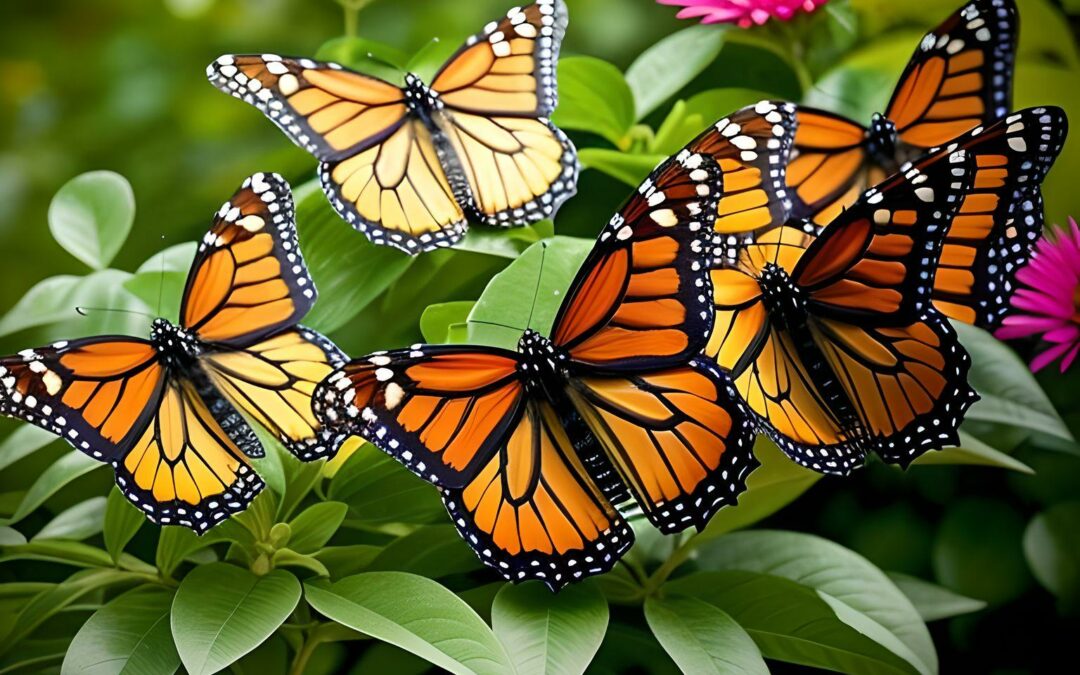
The world of butterflies is incredibly diverse, with thousands of species found across the globe. Each species is uniquely adapted to its environment, with colors and patterns that serve various purposes, from camouflage to attracting mates. The Monarch butterfly, with its striking orange and black wings, is perhaps one of the most famous species, known for its incredible migratory patterns. The Blue Morpho, with its iridescent blue wings, is another example of butterfly beauty, its vibrant coloration a result of the microscopic structures on its wing scales rather than pigmentation.

Ecological Importance

Butterflies play a crucial role in ecosystems, serving as both pollinators and indicators of environmental health. As they feed on nectar, they transfer pollen from one flower to another, helping to ensure plant reproduction. This makes them vital to the survival of many plant species, including those that are important for human food sources. Additionally, the presence and health of butterfly populations can signal the overall well-being of an ecosystem, making them important subjects of study for scientists monitoring environmental changes.

Conservation Efforts

Despite their beauty and ecological importance, butterflies face numerous threats, including habitat loss, climate change, and pesticide use. Conservation efforts are crucial to protecting these delicate creatures and the ecosystems they inhabit. This includes creating butterfly gardens, which provide a habitat for butterflies by offering nectar-rich flowers and host plants for caterpillars. Protecting and restoring natural habitats is also essential, as is raising awareness about the importance of butterflies and the threats they face.

A Source of Inspiration

Beyond their ecological significance, butterflies have long been a source of inspiration in art, literature, and culture. They symbolize transformation, beauty, and the fleeting nature of life. From the delicate watercolors of Maria Sibylla Merian, an 18th-century naturalist and artist, to the vibrant depictions in contemporary art, butterflies continue to captivate the human imagination.

In conclusion, the enchanting world of butterflies, or “Wings of Wonder,” offers us a glimpse into the marvels of nature. Their life cycle, diversity, and ecological role remind us of the interconnectedness of all life on Earth. As we marvel at the beauty of these delicate creatures, let us also commit to protecting them and the natural world they represent.

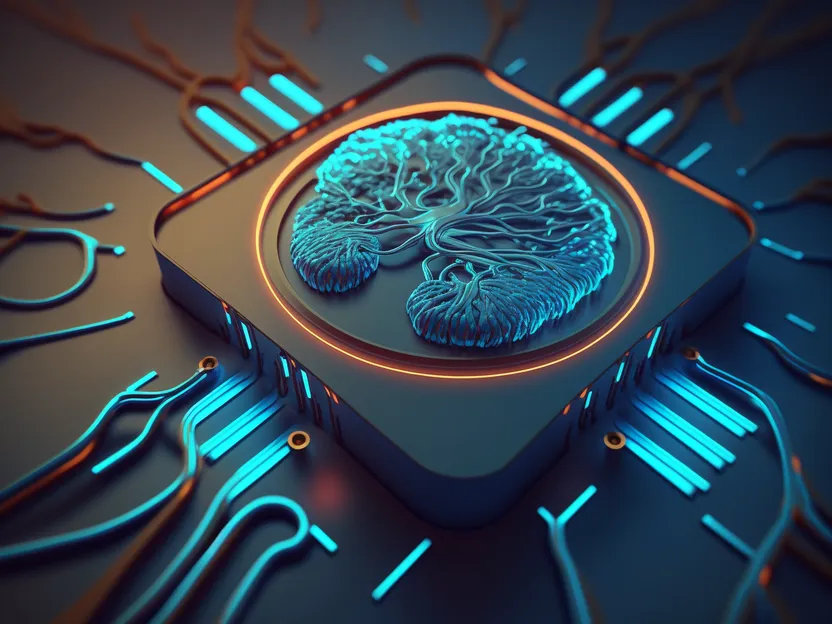
How Computers Evolved to Power Our World: The Digital Brain

In the blink of an eye, computers have evolved from room-sized behemoths to sleek, powerful devices that fit in our pockets. This transformation has not only reshaped technology but has also redefined the very fabric of our society. The digital brain, as we affectionately refer to it, has become the backbone of modern civilization, driving innovation, communication, and convenience to unprecedented levels. This article delves into the fascinating journey of how computers evolved to power our world, exploring the key milestones, innovations, and the relentless pursuit of progress that have brought us to the digital age.

The Dawn of Computing:

The story of computers begins in the mid-20th century with the development of the first electronic general-purpose computer, ENIAC. Weighing in at a staggering 30 tons and occupying a space of 1,800 square feet, ENIAC was a colossus of its time, capable of performing complex calculations that were beyond human capability. This machine, however, was just the tip of the iceberg.

The Age of Mainframes:

Following ENIAC, the era of mainframe computers emerged. These were the first computers that businesses and governments could use, albeit at a cost that was prohibitive for most individuals. Mainframes were centralized systems that could perform a variety of tasks and were often shared among multiple users through terminals. They were the backbone of institutional computing, handling payrolls, inventories, and other critical data processing tasks.

The Rise of Personal Computing:

The true revolution came with the advent of personal computers (PCs). The 1970s and 1980s saw the introduction of the microprocessor, a single-chip CPU that made it possible to put the power of a computer on a desktop, and eventually, in the lap of the average person. The launch of the Apple II, IBM PC, and later the Macintosh, brought computing into homes and small businesses, democratizing access to information and empowering individuals like never before.

The Internet and Beyond:

The digital brain’s evolution took a quantum leap with the advent of the internet. Initially a network for military and academic use, the internet soon became a global phenomenon, connecting people, computers, and information in a vast, interconnected web. The World Wide Web, introduced in the early 1990s, made the internet accessible to the masses, leading to an explosion of online content, commerce, and communication.

Mobile Computing and the Cloud:

The 21st century has been marked by the rise of mobile computing. Smartphones and tablets have become ubiquitous, extending the reach of the digital brain to every corner of the globe. The cloud has further revolutionized computing, allowing for the storage and processing of data on remote servers, accessible from any device with an internet connection. This has led to the proliferation of services like streaming, online gaming, and cloud-based applications, which have become integral to our daily lives.

Artificial Intelligence and the Future:

As we look to the future, the evolution of computers is increasingly intertwined with artificial intelligence (AI). AI promises to imbue machines with human-like intelligence, enabling them to learn, reason, and interact in ways that were once the realm of science fiction. From autonomous vehicles to personalized medicine, AI is set to transform industries and redefine what we expect from our digital brains.

The digital brain’s journey from a room-sized calculator to an omnipresent force in our lives is a testament to human ingenuity and the relentless pursuit of progress. As we stand on the brink of a new era, defined by AI and the Internet of Things (IoT), the role of computers in powering our world is only set to expand. The evolution of the digital brain is far from over, and the next chapter promises to be even more exciting and transformative than the last.