

Early Intervention and Education: Gang Prevention

pasecrets.com – Gang involvement is a complex issue that has far-reaching consequences for individuals, families, and communities. Early intervention and education are critical components in preventing gang membership and its associated risks. By focusing on these areas, we can create a safer environment for our youth and break the cycle of gang involvement.

Understanding the Root Causes of Gang Membership

To effectively prevent gang involvement, it is essential to understand the factors that lead young people to join gangs. These factors often include a lack of positive role models, economic disadvantage, social isolation, and exposure to violence. By addressing these root causes, we can reduce the appeal of gangs and provide healthier alternatives for at-risk youth.

The Role of Early Intervention

Early intervention strategies aim to identify and support children and adolescents who are at risk of gang involvement. This can include mentorship programs, after-school activities, and community-based initiatives that provide positive outlets for youth energy and creativity. By engaging young people in constructive activities and building strong relationships with caring adults, we can steer them away from the path of gang membership.

Education as a Tool for Prevention

Education is a powerful tool in gang prevention. By providing quality education and fostering a love of learning, we can equip young people with the skills and knowledge they need to succeed in life. This includes not only academic learning but also social and emotional education that helps youth develop resilience, empathy, and problem-solving skills.

Community Engagement and Collaboration

Gang prevention is not the sole responsibility of any one entity; it requires the collaboration of families, schools, law enforcement, and community organizations. By working together, we can create a comprehensive approach to gang prevention that addresses the needs of the entire community. This includes sharing resources, coordinating programs, and ensuring that all stakeholders are working towards the same goals.

Conclusion

Early intervention and education are fundamental to preventing gang involvement. By addressing the root causes of gang membership, engaging in early intervention strategies, and leveraging the power of education, we can create a brighter future for our youth. It is through these efforts that we can build stronger, safer communities where every young person has the opportunity to thrive.
The First 500 Years: The Early Church

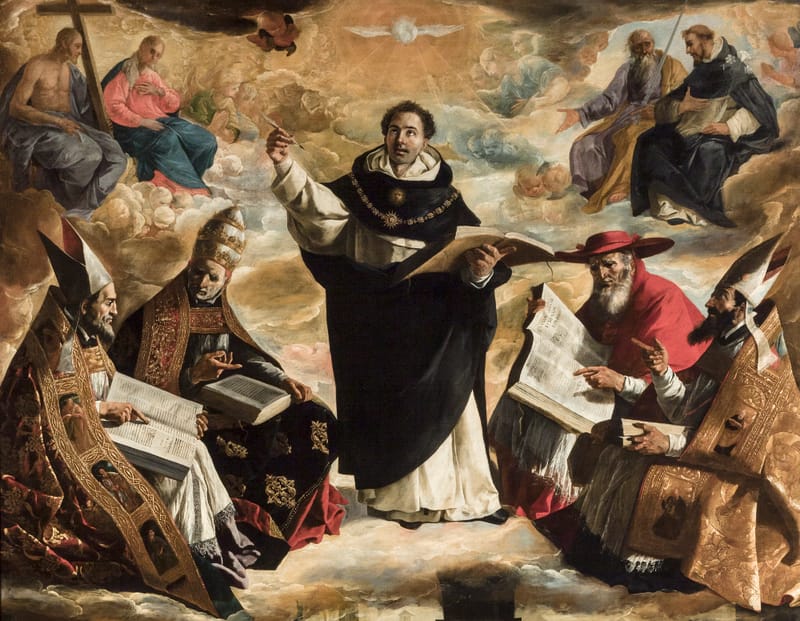
pasecrets.com – The history of the early church, spanning the first 500 years after the birth of Christ, is a remarkable tale of growth, transformation, and resilience. From a small group of followers in Jerusalem, Christianity spread across the Roman Empire and beyond, shaping the course of Western civilization. This article explores the key events, figures, and developments that defined the early church during this pivotal period.

The Apostolic Age (30-100 AD)

The Apostolic Age, the first century after Christ, is characterized by the ministry of Jesus, the spread of the Gospel by the apostles, and the writing of the New Testament. The Book of Acts records the early church’s growth, including the Day of Pentecost when the Holy Spirit descended upon the disciples, enabling them to speak in tongues and attracting a diverse crowd to the Christian message.

The Ministry of Jesus

Jesus of Nazareth, whose teachings and miracles are recorded in the Gospels, laid the foundation for Christianity. His crucifixion and resurrection are central to Christian belief, offering salvation to believers.

The Spread of Christianity

The apostles, led by Peter and Paul, traveled extensively, preaching the Gospel and establishing churches. Paul’s missionary journeys, in particular, were instrumental in spreading Christianity to the Gentiles, or non-Jewish peoples.

The New Testament

The New Testament, comprising the Gospels, Acts, Epistles, and Revelation, was written during this period. These texts provide theological and practical guidance for the early church and continue to be the central texts of Christian faith.

The Post-Apostolic Age (100-313 AD)

Following the deaths of the apostles, the church faced challenges from within and without, including persecution, heresies, and the need for organizational structure.

Persecution and Martyrdom

Christians were often persecuted by Roman authorities, who viewed Christianity as a threat to the empire’s religious and political order. Figures like Polycarp and Perpetua became celebrated martyrs, their deaths inspiring further faith among believers.

Development of Church Structure

To maintain unity and orthodoxy, the church began to develop a hierarchical structure, with bishops, priests, and deacons. The concept of apostolic succession, where bishops were consecrated by other bishops tracing their lineage back to the apostles, became a key element of church authority.

Early Church Councils

The first few centuries saw the emergence of church councils, gatherings of bishops to address theological and practical issues. The Council of Jerusalem (c. 50 AD) was the first recorded council, addressing the inclusion of Gentiles in the church.

The Constantinian Shift (313-500 AD)

The Edict of Milan in 313 AD, issued by Emperor Constantine, marked a turning point for Christianity, granting it legal status within the Roman Empire. This period saw the church’s integration into the fabric of Roman society and the beginning of Christendom.

The Conversion of Constantine

Constantine’s conversion to Christianity, symbolized by the vision of the cross and the phrase “In Hoc Signo Vinces” (In this sign, you will conquer), is a pivotal moment in Christian history. His support of the church led to its rapid expansion and influence.

The Nicene Creed

The First Council of Nicaea in 325 AD, convened by Constantine, addressed the Arian controversy and formulated the Nicene Creed, a statement of Christian belief that remains central to many Christian traditions.

Monasticism and Asceticism

The rise of monasticism, with figures like Saint Anthony and Saint Pachomius, offered a model of Christian devotion and community living. Monasteries became centers of learning, preserving classical knowledge and promoting Christian scholarship.

Conclusion

The first 500 years of the Christian church were a time of profound change and development. From a persecuted sect to the dominant religion of the Roman Empire, Christianity’s growth was fueled by the dedication of its followers, the spread of the Gospel, and the development of church structure and doctrine. The early church’s legacy continues to influence the Christian faith and Western society to this day.