
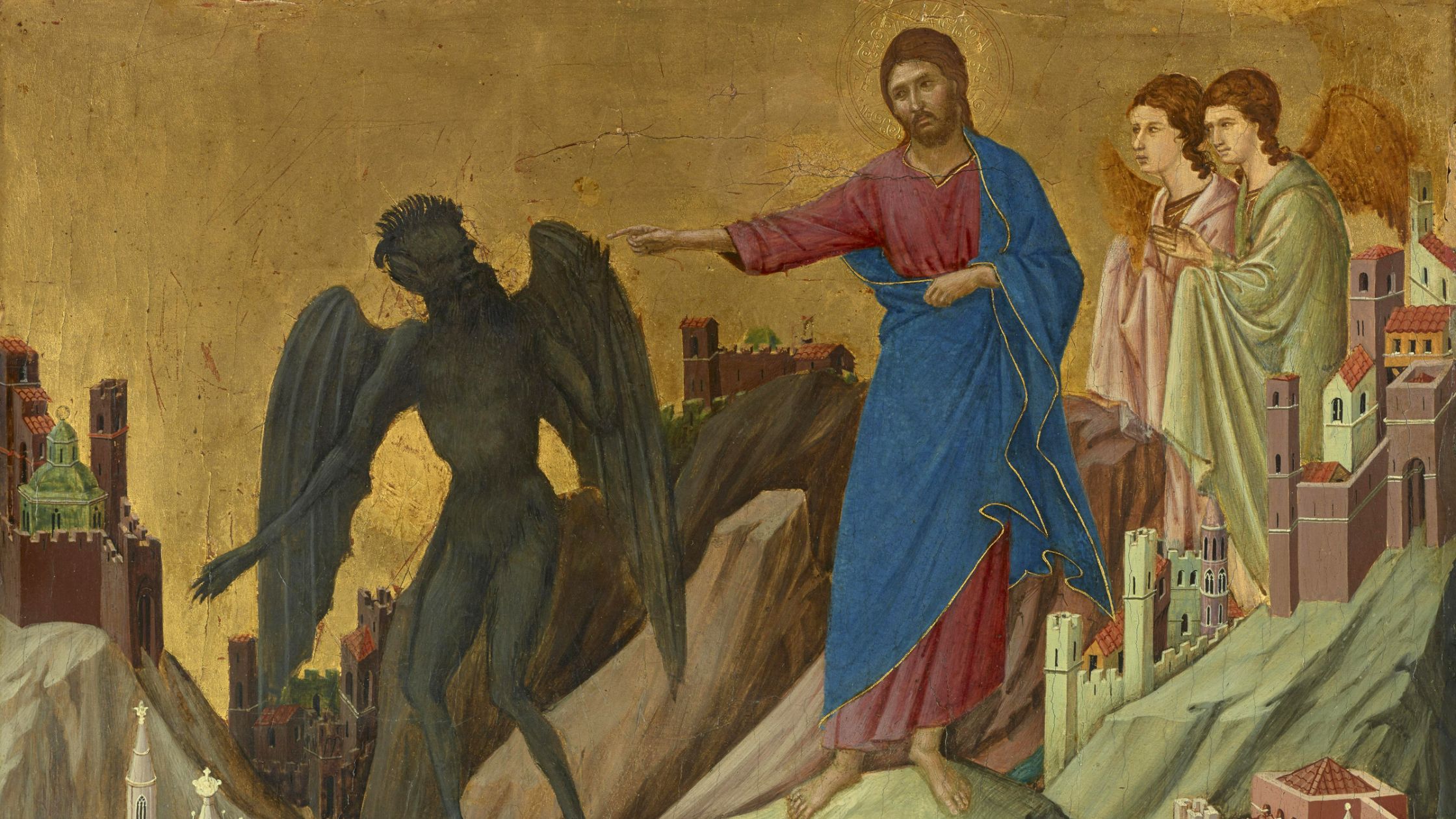
Recognizing Demonic Influence: The Devil in Disguise

pasecrets.com – In a world where the supernatural often takes a backseat to the tangible and immediate, the concept of demonic influence can seem like a relic of the past. Yet, throughout history and across cultures, the idea that malevolent forces can exert their will upon humanity has persisted. This article aims to explore the nuanced ways in which demonic influence might manifest, and how one can recognize and protect themselves from such forces.

Understanding Demonic Influence

Demonic influence is a term used to describe the impact that malevolent supernatural entities are believed to have on human thoughts, emotions, and actions. It is important to note that the interpretation of what constitutes a “demon” can vary widely among different religious and cultural traditions. In some contexts, demons are seen as fallen angels or spirits that have turned against the divine order, while in others, they are considered to be the spirits of the dead or otherworldly beings with their own agendas.

The Subtle Signs of Demonic Influence

Demonic influence is not always as dramatic as it is often portrayed in movies and literature. It can be subtle, insidious, and difficult to detect. Here are some signs that might indicate the presence of demonic influence in one’s life:

1. Unexplained Negative Thoughts

A sudden increase in negative, self-destructive, or violent thoughts that seem to come from nowhere could be a sign of demonic influence. These thoughts may be persistent and difficult to shake off.

2. Emotional Turmoil

Feeling an inexplicable sense of fear, anxiety, or depression that does not seem to have a logical cause can also be a symptom. This emotional turmoil might be accompanied by a feeling of being watched or a sense of dread.

3. Physical Symptoms

Some individuals report experiencing unexplained physical symptoms such as headaches, nausea, or a sudden drop in body temperature when they are in certain places or around certain people.

4. Nightmares and Sleep Disturbances

Recurring nightmares, sleep paralysis, or a sudden inability to sleep well might also indicate demonic influence. These dreams often involve themes of terror, violence, or a sense of being pursued.

5. Relationship Strife

Demonic influence can manifest in strained or toxic relationships, where there is constant conflict, manipulation, or a sense of being drained emotionally.

Protecting Yourself from Demonic Influence

Recognizing the signs of demonic influence is only the first step. Protecting oneself from such influence requires a multifaceted approach:

1. Spiritual Cleansing

Engaging in practices such as prayer, meditation, or smudging can help cleanse one’s energy and environment. These practices can create a protective barrier against negative influences.

2. Seeking Support

Talking to a trusted spiritual advisor, such as a priest, pastor, or shaman, can provide guidance and support. They may offer blessings, perform exorcisms, or provide other forms of spiritual intervention.

3. Strengthening Your Faith

Whatever your belief system, strengthening your faith can provide a strong defense against demonic influence. This might involve regular religious practice, study, or community involvement.

4. Mindfulness and Self-Care

Taking care of your mental, emotional, and physical health is crucial. Practices such as mindfulness, exercise, and a healthy diet can help keep your energy positive and resilient.

5. Setting Boundaries

Learning to set healthy boundaries with people and situations that drain your energy is important. This includes recognizing and distancing yourself from toxic relationships.

Conclusion

While the concept of demonic influence may seem far-fetched to some, it is a reality for many. Recognizing the signs and taking steps to protect oneself is essential for maintaining spiritual and emotional well-being. Whether through spiritual practices, self-care, or seeking support, it is possible to shield oneself from the influence of malevolent forces and live a life of peace and positivity.

Golden Generation: The Influence of Rich Kids in Today’s Society

pasecrets.com – In the era of social media and instant communication, a new breed of influencers has emerged, often referred to as “The Golden Generation.” These are the children of the affluent, the rich kids who have grown up with access to wealth, privilege, and platforms that amplify their voices and lifestyles. Their influence is undeniable, shaping trends, consumer behavior, and even societal norms. This article delves into the world of The Golden Generation, exploring their impact and the broader implications of their influence.

Who Are The Golden Generation?

The Golden Generation is a term that encapsulates the offspring of the world’s wealthiest individuals, celebrities, and influential figures. These young people, often born into luxury and privilege, have been raised in an environment where financial constraints are virtually non-existent. They are digital natives, having grown up alongside the internet and social media, which has provided them with a unique opportunity to share their lives with a global audience.

The Influence of Rich Kids

  1. Social Media and Digital Influence:
    The rich kids of The Golden Generation are adept at leveraging social media platforms. With their access to exclusive events, luxury goods, and glamorous lifestyles, they have become influencers in their own right. Their followers look to them for fashion inspiration, travel destinations, and the latest trends. This digital influence extends beyond personal branding; it has a significant impact on consumer behavior, with brands often collaborating with these influencers to reach their target demographics.
  2. Consumer Trends:
    The spending habits of The Golden Generation can set trends in various industries. From high-end fashion to tech gadgets, their endorsements can lead to surges in demand. This influence is not limited to luxury items; their support for sustainable and ethical brands can also shift consumer preferences towards more responsible consumption.
  3. Philanthropy and Social Impact:
    Many members of The Golden Generation are using their platforms and resources for philanthropic endeavors. They are raising awareness for various causes, from climate change to mental health, and are often involved in charitable initiatives. Their involvement can bring attention to these issues and inspire others to take action.
  4. Challenges and Criticisms:
    The influence of The Golden Generation is not without its challenges and criticisms. There is a debate about whether their success is self-made or a result of their inherited wealth and connections. Additionally, the portrayal of a lavish lifestyle can perpetuate unrealistic standards and contribute to social inequality. Critics argue that this can lead to a disconnect between The Golden Generation and the realities faced by the majority of the population.

The Future of The Golden Generation

As The Golden Generation matures, their influence is likely to evolve. Many are already branching out into entrepreneurship, using their platforms to launch businesses and innovate in various sectors. Their ability to connect with a global audience and their access to capital position them as potential leaders in shaping the future economy and culture.

The Golden Generation represents a new wave of influencers whose impact is felt across various sectors. Their influence on social media, consumer trends, and philanthropy is significant, and they have the potential to drive positive change. However, it is crucial for this generation to be mindful of the responsibilities that come with their influence, addressing the criticisms and ensuring that their actions contribute positively to society. As they continue to navigate their roles in the public eye, The Golden Generation has the opportunity to leave a lasting legacy that goes beyond their privileged upbringing.

The New Age of Social Media Powerhouses: Influence Redefined

In the digital era, influence has undergone a profound transformation, shifting from traditional gatekeepers to a diverse array of social media powerhouses. These individuals, often starting from humble beginnings, have leveraged the democratizing power of platforms like Instagram, YouTube, TikTok, and Twitter to build empires of influence that rival those of celebrities and industry titans of the past. This article explores how the new age of social media powerhouses is redefining influence and reshaping the landscape of entertainment, marketing, and culture.

The Rise of the Digital Influencer

The term “influencer” was once synonymous with celebrities who graced the covers of magazines or dominated the box office. Today, however, influence is more likely to be associated with a YouTuber boasting millions of subscribers, an Instagrammer with a devoted following, or a TikToker whose viral dance moves set trends. These digital influencers have cultivated their status not through the traditional media machine, but through the sheer force of their personalities, content creation skills, and engagement with their audience.

Democratization of Influence

One of the most significant shifts in the new age of influence is its democratization. Social media platforms have leveled the playing field, allowing anyone with a smartphone and an internet connection the opportunity to build a following. This has led to a more diverse range of influencers, representing various backgrounds, interests, and demographics. Unlike the tightly controlled image of celebrities of the past, today’s influencers often share raw, unfiltered glimpses into their lives, fostering a sense of authenticity and relatability that resonates with modern audiences.

The Power of Engagement

In the traditional model of influence, the power dynamic was one-way, with celebrities broadcasting their image to a passive audience. Social media has inverted this model, with influencers engaging directly with their followers through comments, likes, and live streams. This two-way communication has transformed influencers into community builders, with their followers feeling a sense of ownership and participation in the influencer’s journey. The result is a deeply loyal fan base that can be mobilized for causes, product endorsements, or social movements.

The Influence on Culture and Commerce

The impact of social media powerhouses extends beyond entertainment. They are shaping culture and commerce in unprecedented ways. Fashion trends are now set by Instagram influencers as much as by runway designers. Music careers are launched on TikTok, with viral hits bypassing traditional radio play. And the purchasing decisions of millions are influenced by the endorsements of YouTube personalities. Brands have taken notice, with influencer marketing becoming a multi-billion-dollar industry.

Challenges and Criticisms

Despite their influence, social media powerhouses face challenges and criticisms. The pressure to maintain a constant online presence can lead to mental health issues, and the authenticity that fans prize can be compromised by lucrative sponsorships. Additionally, the spread of misinformation by influencers without journalistic or fact-checking standards has raised concerns about the impact on public discourse.

The Future of Influence

As social media platforms evolve and new ones emerge, the landscape of influence will continue to shift. Virtual reality and augmented reality could open new frontiers for engagement, while artificial intelligence might personalize the influencer experience for each follower. What remains constant is the human desire for connection and community, which social media powerhouses have tapped into in a way that redefines influence for the digital age.

In conclusion, the new age of social media powerhouses represents a seismic shift in how influence is wielded in society. By leveraging the power of digital platforms, these individuals have not only transformed themselves into cultural icons but have also reshaped the way we consume media, make purchasing decisions, and engage with the world around us. As we look to the future, it’s clear that the story of influence is far from over, with each chapter written by the powerhouses of social media.