
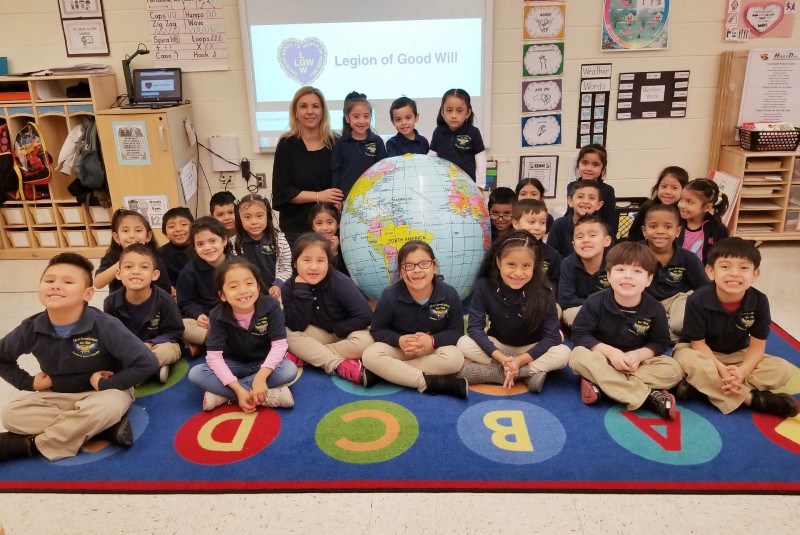
Educating the Next Generation of Humanitarians

pasecrets.com – In a world that often seems divided by conflict and self-interest, the role of charity and humanitarianism becomes more critical than ever. The future of our global community depends on the values and actions of the next generation. It is within the hearts and minds of children that the seeds of compassion, empathy, and generosity must be sown. “Charity begins with children” is not just a phrase; it is a call to action to educate and inspire the youth to become the humanitarians of tomorrow.

Cultivating Empathy and Understanding

The foundation of humanitarian work is empathy—the ability to understand and share the feelings of others. Educators and parents play a pivotal role in nurturing this essential quality in children. Through storytelling, diverse literature, and exposure to different cultures and experiences, young minds can develop a deep sense of empathy. This understanding is the first step toward a life dedicated to helping others.

Encouraging Active Participation

Education is not just about imparting knowledge; it’s about inspiring action. Schools and communities can provide platforms for children to engage in charitable activities. Whether it’s organizing a food drive, participating in community clean-up projects, or raising funds for disaster relief, these experiences teach children the power of collective action and the impact they can have on the world.

The Role of Formal Education

Schools have a unique opportunity to integrate humanitarian education into their curricula. Subjects such as history, social studies, and literature can highlight the lives and work of humanitarians, past and present. Additionally, schools can partner with local and international charities to provide students with real-world learning experiences that underscore the importance of charity and service.

Leading by Example

Adults must lead by example. Children are keen observers of the world around them and are influenced by the actions of their elders. When parents, teachers, and community leaders demonstrate kindness, generosity, and a commitment to helping others, children are more likely to adopt these values as their own.

Fostering a Culture of Giving

Charity is not just about giving money; it’s about giving time, energy, and love. Encouraging children to share their talents and passions with others can create a culture of giving that extends beyond the act of charity itself. Whether it’s through art, music, sports, or any other interest, children can learn that everyone has something valuable to contribute.

Conclusion

Educating the next generation of humanitarians is a collective responsibility. By instilling charitable values in children, we are not only preparing them for a life of service but also ensuring a more compassionate and generous world. “Charity begins with children” because it is in their innocence, curiosity, and boundless potential that the true spirit of humanitarianism thrives. Let us embrace this challenge and opportunity to shape a brighter future for all.
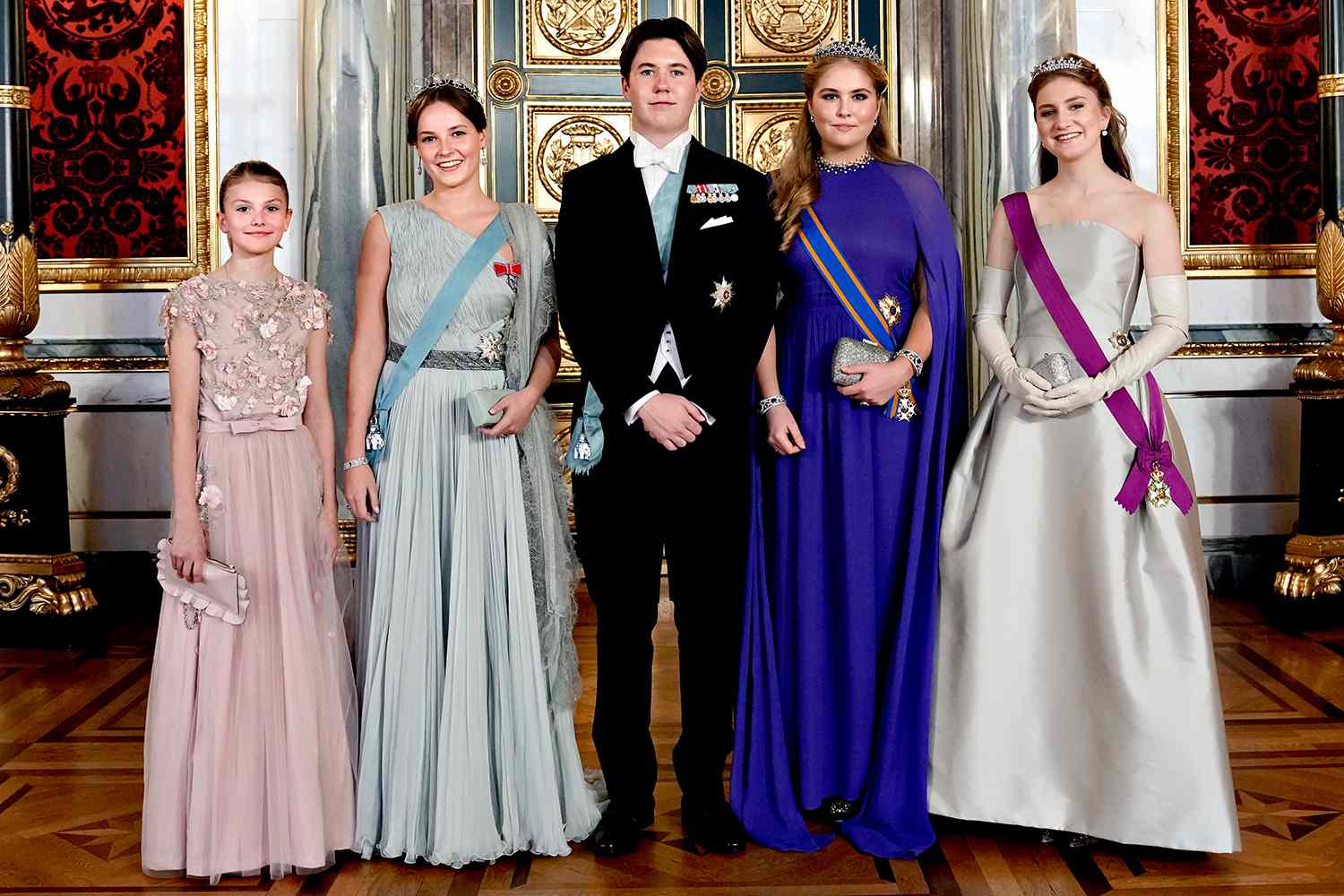
The Next Generation of Princesses: Royal Youth

pasecrets.com – In an era where the concept of royalty is evolving, the next generation of princesses is stepping into the spotlight, redefining what it means to be a royal figure in the 21st century. These young women, born into a world of tradition and privilege, are not only embracing their heritage but also carving out their own paths, often marked by a blend of modernity, activism, and a commitment to public service.

Princesses like Princess Estelle of Sweden, Duchess of Östergötland, and Princess Leonor of Spain, the Princess of Asturias, are prime examples of the new wave of royal youth. They are growing up in a time when the public’s expectations of royalty are changing, with a greater emphasis on the humanitarian and philanthropic efforts of royal families. These young royals are being groomed not just for their future roles within the monarchy but also as influential figures in society, advocating for causes close to their hearts and setting an example for their peers.

One of the most notable aspects of this new generation of princesses is their engagement with the public through social media. Unlike their predecessors, who maintained a more formal and distant relationship with the public, these young royals are using platforms like Instagram and Twitter to share their experiences, support various initiatives, and connect with people from all walks of life. This digital presence has made them more relatable and accessible, breaking down barriers and fostering a new kind of royal-public relationship.

Education is another area where these princesses are breaking new ground. Many of them are pursuing higher education, studying a variety of subjects that reflect their diverse interests and the changing role of royalty in contemporary society. Their academic pursuits not only equip them with the knowledge and skills to be effective leaders but also send a powerful message about the importance of education for young women.

Moreover, the next generation of princesses is increasingly involved in charitable work and advocacy. They are using their platforms to raise awareness about issues such as climate change, gender equality, mental health, and education. For instance, Princess Elisabeth of Belgium, the Duchess of Brabant, has shown a keen interest in environmental issues, while Princess Ingrid Alexandra of Norway has been involved in promoting children’s rights. Their involvement in these causes not only highlights their personal convictions but also reflects the shifting priorities of their respective monarchies.

As these young women navigate the complexities of their royal duties and personal aspirations, they are also challenging traditional gender roles within their families and societies. They are role models for young girls, demonstrating that it is possible to balance the expectations of a royal upbringing with a desire to make a meaningful impact on the world.

In conclusion, the next generation of princesses is a testament to the evolving nature of royalty. They are not just heirs to thrones but also trailblazers, advocates, and influencers. As they continue to grow into their roles, they will undoubtedly leave their mark on the world, both as royals and as individuals. Their journey is a fascinating glimpse into the future of monarchy, where tradition meets modernity, and where the power of a crown is wielded for the greater good.