
How the New Generation is Transforming Learning: Educational Evolution

pasecrets.com – The landscape of education is undergoing a profound transformation, driven by the new generation of learners who are reshaping the way we perceive and engage with learning. This transformation is not just about the tools and technologies that have become ubiquitous in the classroom; it’s a fundamental shift in the philosophy, methods, and goals of education. As we stand on the cusp of this educational evolution, it’s crucial to understand the forces at play and the implications for the future of learning.

The Digital Natives: A New Breed of Learners

The new generation, often referred to as ‘digital natives,’ has grown up in a world where technology is omnipresent. Unlike their predecessors, who had to adapt to new technologies, these learners are inherently comfortable with digital tools and platforms. This familiarity is not just about using technology; it’s about integrating it into every aspect of their lives, including learning.

The Shift from Memorization to Application

Traditional education systems have often focused on rote memorization and standardized testing, which prioritize the retention of information over its application. However, the new generation is challenging this approach, advocating for a more hands-on, experiential learning that emphasizes critical thinking, problem-solving, and creativity. This shift is not just about making learning more engaging; it’s about preparing students for a future where adaptability and innovation are key.

The Rise of Personalized Learning

One of the most significant changes brought about by the new generation is the demand for personalized learning experiences. With the advent of educational technology, it’s now possible to tailor the learning process to the individual needs, interests, and learning styles of each student. This approach not only enhances engagement but also accelerates learning by allowing students to progress at their own pace.

The Importance of Soft Skills in the Digital Age

As the job market continues to evolve, employers are increasingly valuing soft skills such as communication, collaboration, and emotional intelligence. Recognizing this, the new generation is pushing for an education system that places equal emphasis on these skills alongside academic knowledge. This holistic approach to learning is essential for nurturing well-rounded individuals who can thrive in a diverse and interconnected world.

The Role of Educators in the New Paradigm

The transformation of education also necessitates a reevaluation of the role of educators. In the new paradigm, teachers are no longer just dispensers of knowledge; they are facilitators of learning, mentors, and guides. This shift requires a different set of skills and a willingness to embrace new teaching methods and technologies. As such, professional development and continuous learning are more important than ever for educators.

Conclusion

The educational evolution being driven by the new generation is not just about updating classrooms with the latest gadgets; it’s about reimagining the very essence of learning. It’s a movement that prioritizes engagement, relevance, and personal growth over outdated models of education. As we move forward, it’s clear that the future of learning is dynamic, personalized, and empowering. By embracing this evolution, we can prepare our students for a world that is constantly changing and ensure that they have the skills and knowledge they need to succeed.
Educating the Next Generation of Humanitarians

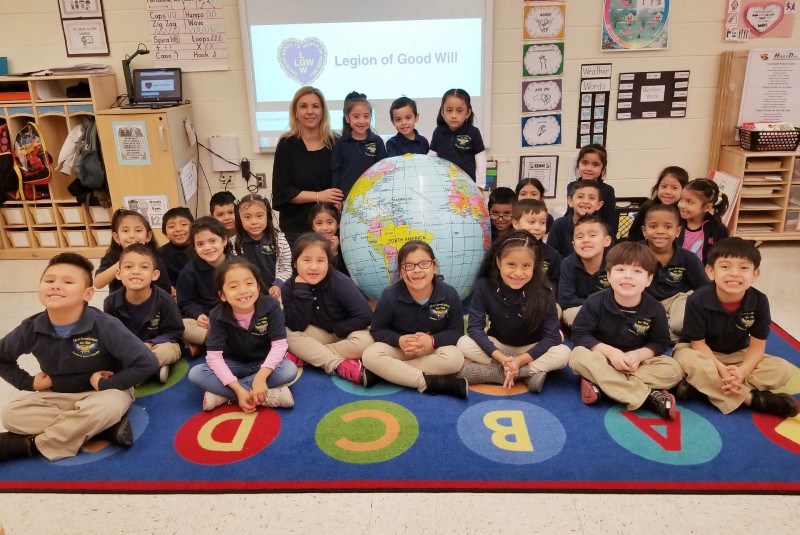
pasecrets.com – In a world that often seems divided by conflict and self-interest, the role of charity and humanitarianism becomes more critical than ever. The future of our global community depends on the values and actions of the next generation. It is within the hearts and minds of children that the seeds of compassion, empathy, and generosity must be sown. “Charity begins with children” is not just a phrase; it is a call to action to educate and inspire the youth to become the humanitarians of tomorrow.

Cultivating Empathy and Understanding

The foundation of humanitarian work is empathy—the ability to understand and share the feelings of others. Educators and parents play a pivotal role in nurturing this essential quality in children. Through storytelling, diverse literature, and exposure to different cultures and experiences, young minds can develop a deep sense of empathy. This understanding is the first step toward a life dedicated to helping others.

Encouraging Active Participation

Education is not just about imparting knowledge; it’s about inspiring action. Schools and communities can provide platforms for children to engage in charitable activities. Whether it’s organizing a food drive, participating in community clean-up projects, or raising funds for disaster relief, these experiences teach children the power of collective action and the impact they can have on the world.

The Role of Formal Education

Schools have a unique opportunity to integrate humanitarian education into their curricula. Subjects such as history, social studies, and literature can highlight the lives and work of humanitarians, past and present. Additionally, schools can partner with local and international charities to provide students with real-world learning experiences that underscore the importance of charity and service.

Leading by Example

Adults must lead by example. Children are keen observers of the world around them and are influenced by the actions of their elders. When parents, teachers, and community leaders demonstrate kindness, generosity, and a commitment to helping others, children are more likely to adopt these values as their own.

Fostering a Culture of Giving

Charity is not just about giving money; it’s about giving time, energy, and love. Encouraging children to share their talents and passions with others can create a culture of giving that extends beyond the act of charity itself. Whether it’s through art, music, sports, or any other interest, children can learn that everyone has something valuable to contribute.

Conclusion

Educating the next generation of humanitarians is a collective responsibility. By instilling charitable values in children, we are not only preparing them for a life of service but also ensuring a more compassionate and generous world. “Charity begins with children” because it is in their innocence, curiosity, and boundless potential that the true spirit of humanitarianism thrives. Let us embrace this challenge and opportunity to shape a brighter future for all.

The Next Generation of Princesses: Royal Youth

pasecrets.com – In an era where the concept of royalty is evolving, the next generation of princesses is stepping into the spotlight, redefining what it means to be a royal figure in the 21st century. These young women, born into a world of tradition and privilege, are not only embracing their heritage but also carving out their own paths, often marked by a blend of modernity, activism, and a commitment to public service.

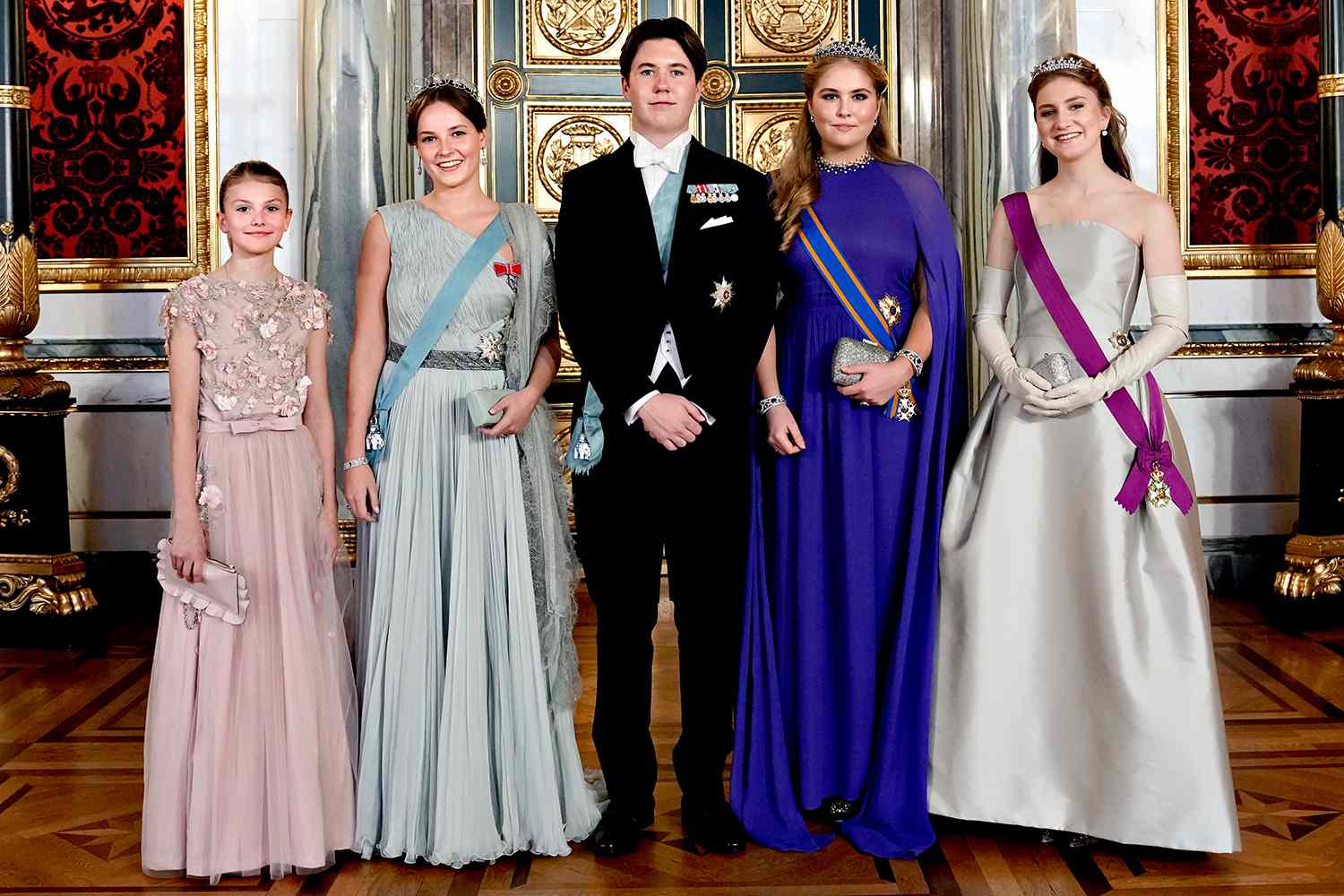
Princesses like Princess Estelle of Sweden, Duchess of Östergötland, and Princess Leonor of Spain, the Princess of Asturias, are prime examples of the new wave of royal youth. They are growing up in a time when the public’s expectations of royalty are changing, with a greater emphasis on the humanitarian and philanthropic efforts of royal families. These young royals are being groomed not just for their future roles within the monarchy but also as influential figures in society, advocating for causes close to their hearts and setting an example for their peers.

One of the most notable aspects of this new generation of princesses is their engagement with the public through social media. Unlike their predecessors, who maintained a more formal and distant relationship with the public, these young royals are using platforms like Instagram and Twitter to share their experiences, support various initiatives, and connect with people from all walks of life. This digital presence has made them more relatable and accessible, breaking down barriers and fostering a new kind of royal-public relationship.

Education is another area where these princesses are breaking new ground. Many of them are pursuing higher education, studying a variety of subjects that reflect their diverse interests and the changing role of royalty in contemporary society. Their academic pursuits not only equip them with the knowledge and skills to be effective leaders but also send a powerful message about the importance of education for young women.

Moreover, the next generation of princesses is increasingly involved in charitable work and advocacy. They are using their platforms to raise awareness about issues such as climate change, gender equality, mental health, and education. For instance, Princess Elisabeth of Belgium, the Duchess of Brabant, has shown a keen interest in environmental issues, while Princess Ingrid Alexandra of Norway has been involved in promoting children’s rights. Their involvement in these causes not only highlights their personal convictions but also reflects the shifting priorities of their respective monarchies.

As these young women navigate the complexities of their royal duties and personal aspirations, they are also challenging traditional gender roles within their families and societies. They are role models for young girls, demonstrating that it is possible to balance the expectations of a royal upbringing with a desire to make a meaningful impact on the world.

In conclusion, the next generation of princesses is a testament to the evolving nature of royalty. They are not just heirs to thrones but also trailblazers, advocates, and influencers. As they continue to grow into their roles, they will undoubtedly leave their mark on the world, both as royals and as individuals. Their journey is a fascinating glimpse into the future of monarchy, where tradition meets modernity, and where the power of a crown is wielded for the greater good.

Golden Generation: The Influence of Rich Kids in Today’s Society

pasecrets.com – In the era of social media and instant communication, a new breed of influencers has emerged, often referred to as “The Golden Generation.” These are the children of the affluent, the rich kids who have grown up with access to wealth, privilege, and platforms that amplify their voices and lifestyles. Their influence is undeniable, shaping trends, consumer behavior, and even societal norms. This article delves into the world of The Golden Generation, exploring their impact and the broader implications of their influence.

Who Are The Golden Generation?

The Golden Generation is a term that encapsulates the offspring of the world’s wealthiest individuals, celebrities, and influential figures. These young people, often born into luxury and privilege, have been raised in an environment where financial constraints are virtually non-existent. They are digital natives, having grown up alongside the internet and social media, which has provided them with a unique opportunity to share their lives with a global audience.

The Influence of Rich Kids

  1. Social Media and Digital Influence:
    The rich kids of The Golden Generation are adept at leveraging social media platforms. With their access to exclusive events, luxury goods, and glamorous lifestyles, they have become influencers in their own right. Their followers look to them for fashion inspiration, travel destinations, and the latest trends. This digital influence extends beyond personal branding; it has a significant impact on consumer behavior, with brands often collaborating with these influencers to reach their target demographics.
  2. Consumer Trends:
    The spending habits of The Golden Generation can set trends in various industries. From high-end fashion to tech gadgets, their endorsements can lead to surges in demand. This influence is not limited to luxury items; their support for sustainable and ethical brands can also shift consumer preferences towards more responsible consumption.
  3. Philanthropy and Social Impact:
    Many members of The Golden Generation are using their platforms and resources for philanthropic endeavors. They are raising awareness for various causes, from climate change to mental health, and are often involved in charitable initiatives. Their involvement can bring attention to these issues and inspire others to take action.
  4. Challenges and Criticisms:
    The influence of The Golden Generation is not without its challenges and criticisms. There is a debate about whether their success is self-made or a result of their inherited wealth and connections. Additionally, the portrayal of a lavish lifestyle can perpetuate unrealistic standards and contribute to social inequality. Critics argue that this can lead to a disconnect between The Golden Generation and the realities faced by the majority of the population.

The Future of The Golden Generation

As The Golden Generation matures, their influence is likely to evolve. Many are already branching out into entrepreneurship, using their platforms to launch businesses and innovate in various sectors. Their ability to connect with a global audience and their access to capital position them as potential leaders in shaping the future economy and culture.

The Golden Generation represents a new wave of influencers whose impact is felt across various sectors. Their influence on social media, consumer trends, and philanthropy is significant, and they have the potential to drive positive change. However, it is crucial for this generation to be mindful of the responsibilities that come with their influence, addressing the criticisms and ensuring that their actions contribute positively to society. As they continue to navigate their roles in the public eye, The Golden Generation has the opportunity to leave a lasting legacy that goes beyond their privileged upbringing.